Shenra: A Village and a Teacher
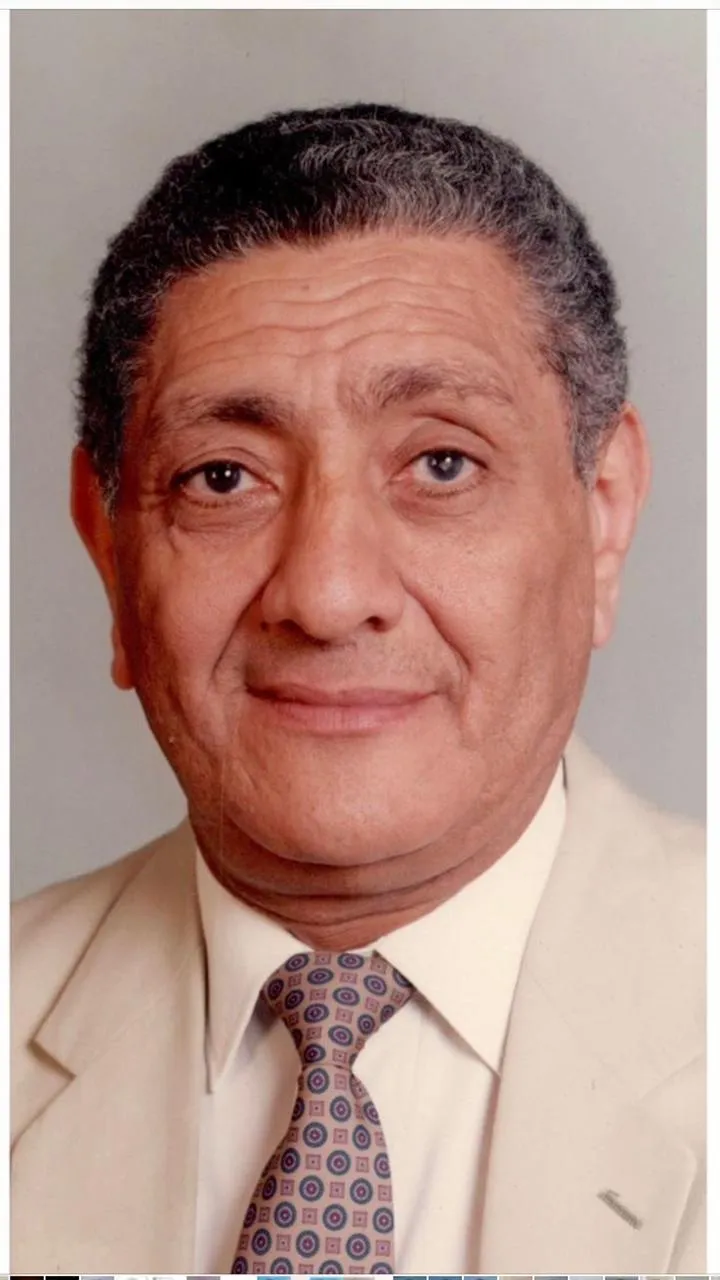
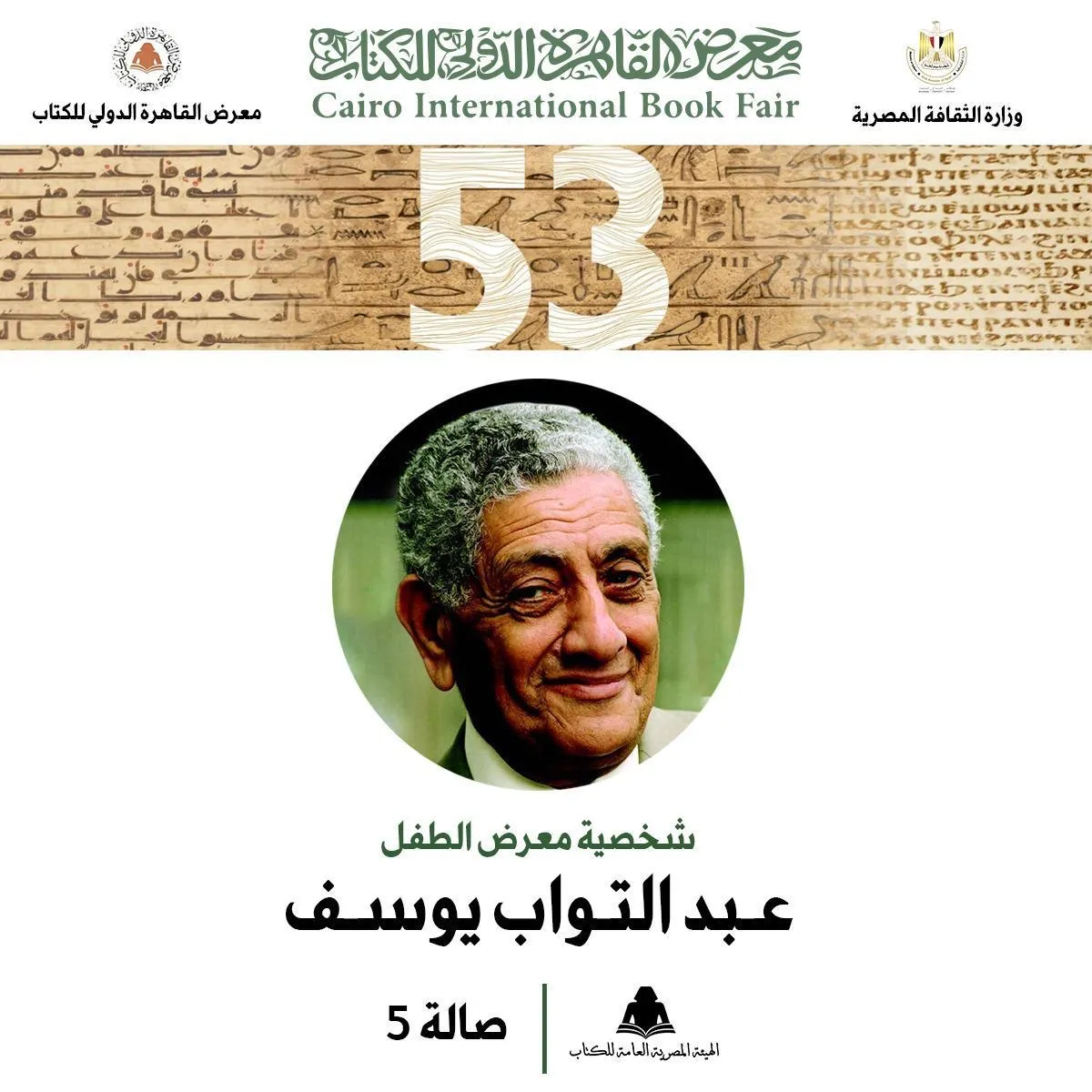
Abdeltawab Youssef Ahmed Youssef was born on 1 October 1928 in Shenra, a village in the Fashn district, a few kilometres from the birthplace of Taha Hussein. The district then belonged to Minya province, though it lay closer to Beni Suef, the governorate it belongs to today. He liked to say he was born on the clay oven-bench of a village house without a single piece of furniture. His father's people, al-'Atawra, were poor farmers. His mother's family, Abu Amira, remembered an ancestor who had stood with Urabi, was hunted through the desert after the British came, and lost his land.
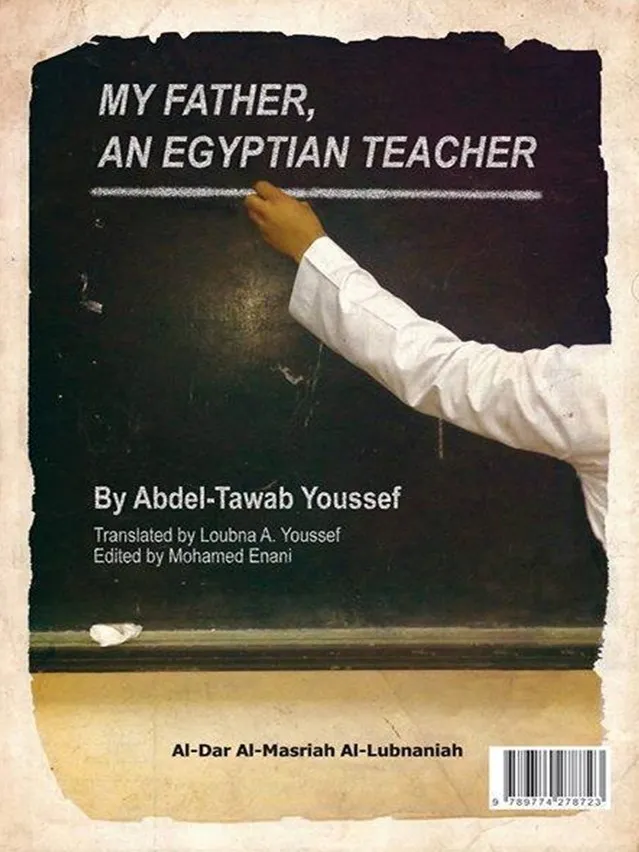
His father, Youssef Ahmed Youssef Ismail, was no ordinary villager. As a boy he was the monitor of Sheikh Abdel Samie's Qur'an school, and a visiting inspector was so struck by him that Saad Zaghloul, then Minister of Education, granted him a small monthly stipend. When his own father would not let him go to al-Azhar, he enrolled in 1914 at the new Beni Suef Teachers' School, paying his own way, and from 1917 he taught in village schools. He carried his own inkwell to class, because to use even a drop of the school's ink would have been wrong. He led prayers and preached in plain language the farmers loved. Teaching, he used to say, was not a job or a trade but ‘a mission and a life’.
When the baby was barely forty days old, his mother carried him to the village where his father worked. His first memories are of Nana, in the Beba district, where his father was headmaster of the village school: two rooms upstairs, a vine arbour, a canal, fields running green to the horizon. His father let him roam among the pupils for years and seated him in a classroom only at six, ‘as if his educator's instinct knew this was the right age’. When the family left Nana, the village saw them off in tears.
His mother was a village woman who could neither read nor write. She had lost two children before him, and he grew up as her only son. She ran the household by rules her husband read aloud to her from a book on raising children. Decades later her son would wonder whether her illiteracy lay behind his own long campaign against it. The wider family gave him stories. A farmer uncle who could not read knew enough of the Thousand and One Nights to hold a boy spellbound, and told him ‘The Water Pump’, a tale he later wrote for radio. His grandfather loved the folk epics so much that when the reciter reached the wedding of Antara and Abla he slaughtered a fat calf to celebrate. ‘No wonder you love telling stories,’ the villagers teased the boy. ‘Your grandfather was the same.’
The village also gave him his first books. His father brought home English children's books, and when a dictionary arrived the children greeted it like a feast day. That dictionary, he wrote, remained ‘my door into understanding much of what I read’. So, while he was still a small child, three springs had opened for him that would never run dry: a father who saw teaching as a mission, a village full of stories, and a book that opened doors.
“It is as if my childhood were vast as an ocean, wide as a sea, flowing as a river.”