His writings
Complete stories, pages from his books, pages in his own hand, essays and speeches.
Complete stories
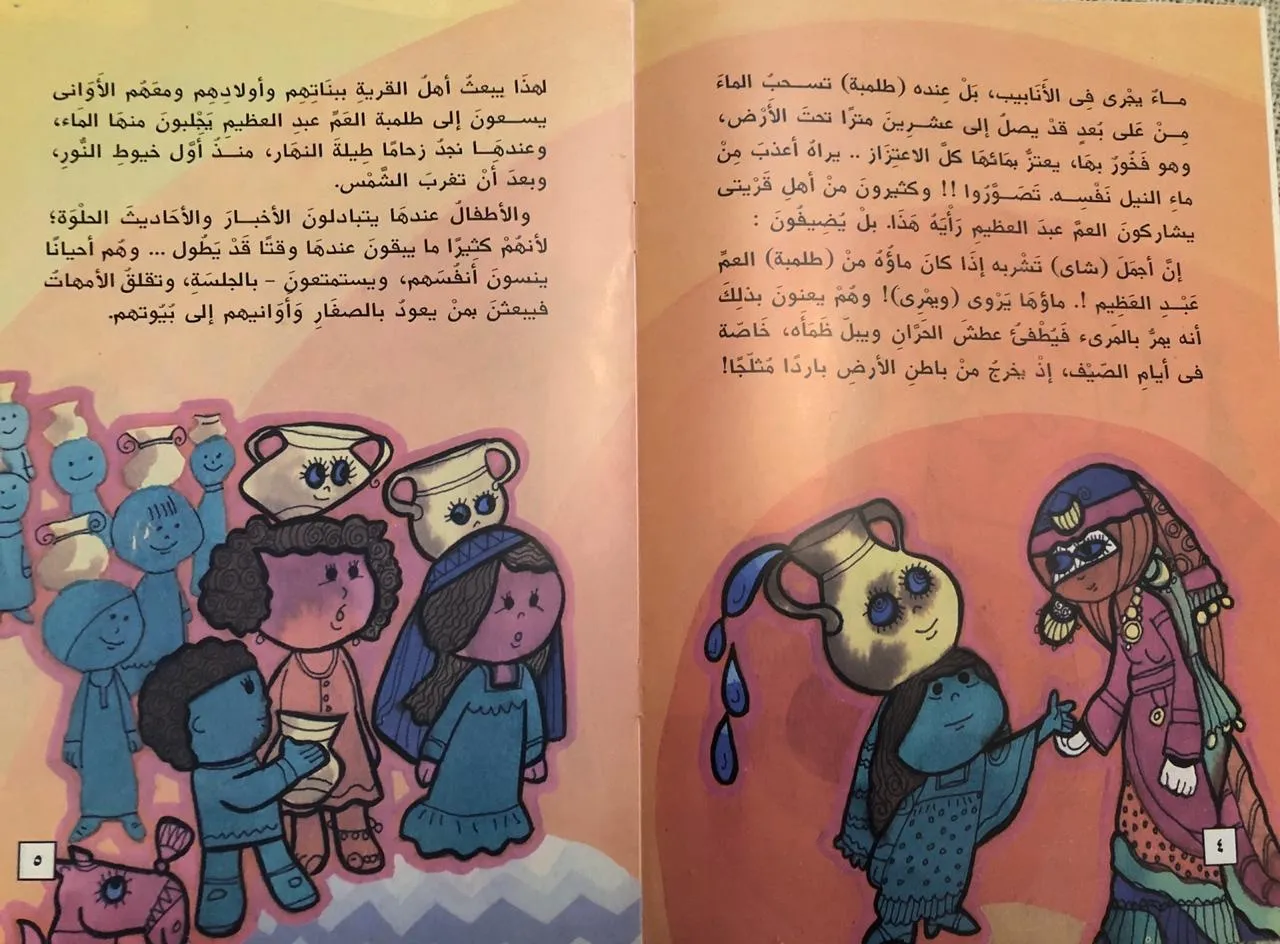
The Water Pump
2005A short picture-book tale from Dar al-Maaref’s Once Upon a Time series. Amm Abdel-Azim, a farmer, believes the whole village shares in the water of his hand pump. In a few illustrated pages Abdeltawab Youssef shows young readers what sharing and a clean heart mean, then leaves them with a final question: which heart did he mean? The English translation is by his daughter, Dr Loubna Youssef.
- البقرة الزاجل
The Pigeon-Cow
1991A Najdi folk tale that Abdeltawab Youssef heard in Saudi Arabia from the father of his friend Dr Zayd Al-Hussayn. It was published as Al-Baqara al-Zajil: A Story from Saudi Arabia in 1991, the year he won the King Faisal Prize. He tells us that when he told it to children in Berlin, the audience applauded and laughed.
- الجرار التذكار
The Tractor
2001From The Invasions of the Twenty-First Century, a series Dar al-Maaref published in 2001 in which Abdeltawab Youssef turns the idea of “invasion” on its head: the only invasions worth making are against thirst, hunger and ignorance. A young officer agrees to guarantee his farmer uncle’s loan for a tractor. Amm Abdel-Azim turns “Sand Hill” at the edge of the desert into “Green Hill” and, in old age, learns the language of computers. The English text is the version prepared for the author’s earlier website.
- هلال رمضان والعيد
The Ramadan Crescent and the Eid
2015A short dialogue written in 2015, the last year of his life, and among the last things he wrote, in the style of the children’s radio programmes he had written for decades. Little Essam imagines he is talking to the Ramadan crescent, which explains how it is “born” and grows up, and how its two tips long to meet. Then the Eid and Ramadan have a final conversation of their own.
- إذا احترقت بغداد
If Baghdad Burns
1970A short tale Abdeltawab Youssef wrote in 1970 about an Iraqi woman who flees the Mongols to Damascus and then to Cairo, and keeps warning everyone she meets that fire knows no borders. More than thirty years later, as war came to Iraq, he brought it out again alongside two new parables. Loubna Youssef translated all three into English; this one is presented here on its own.
In his own hand
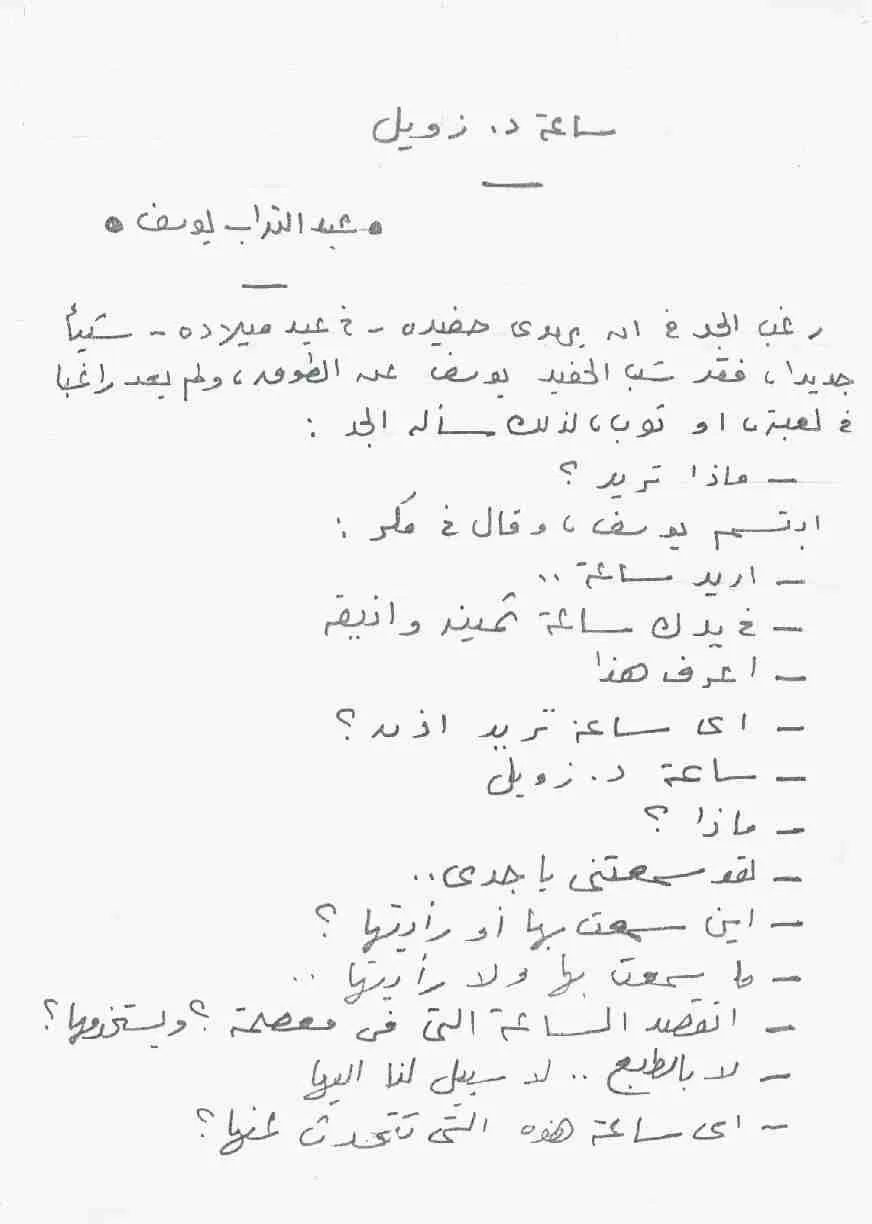
From his books
- السندباد يقابل كينج كونج
Sindbad Meets King Kong
2002The “eighth voyage” that The Arabian Nights never told, published by the General Egyptian Book Organization in 2002 in its New Voyages of Writers series. Abdeltawab Youssef sees Sindbad the Sailor and Sindbad the Land Man as two sides of the same coin. He sends them together to an island ruled by King Kong, and at the end leaves the reader facing a mirror. Here are his opening words on the tale and its closing pages, from the English version prepared for his earlier website.
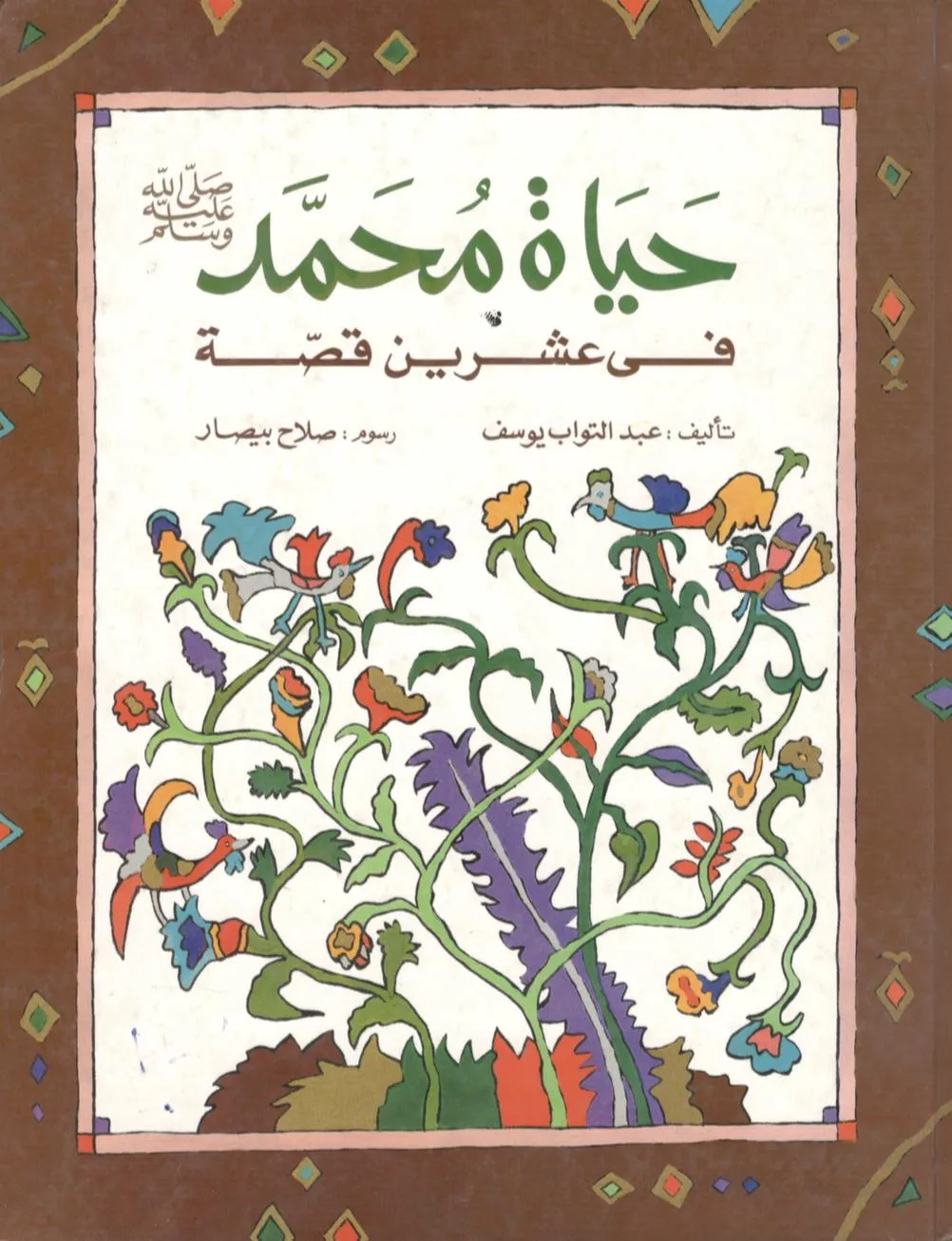
I Am a Book
1986With these words the book introduces itself. The Life of Muhammad in Twenty Stories is Abdeltawab Youssef’s best-known and most widely read work, and in 2000 it won the New Horizons award at the Bologna Children’s Book Fair. In each of the twenty tales an animal or an object that witnessed the Prophet’s life tells what it saw: the elephant, the she-camel, the dove at the cave, the stump of a palm tree. The English translation is by Professor Mohamed Enani.
- طفولة النبي ﷺ
The Prophet’s Childhood
1984Abdeltawab Youssef’s telling of the Prophet’s childhood for young readers, dedicated to Mecca and Medina. It was published by the General Egyptian Book Organization in 1984 and later by Al-Dar Al-Masriah Al-Lubnaniah. In his preface Dr Abdel-Aziz Kamel wrote that the author “takes water from this pure spring, pours it into little cups, and presents it to our young children with a kind and gentle smile.” This is the opening of Chapter One, in which Abd al-Muttalib and his son al-Harith dig for “a treasure”, in an English translation by Omaya Khalifa.
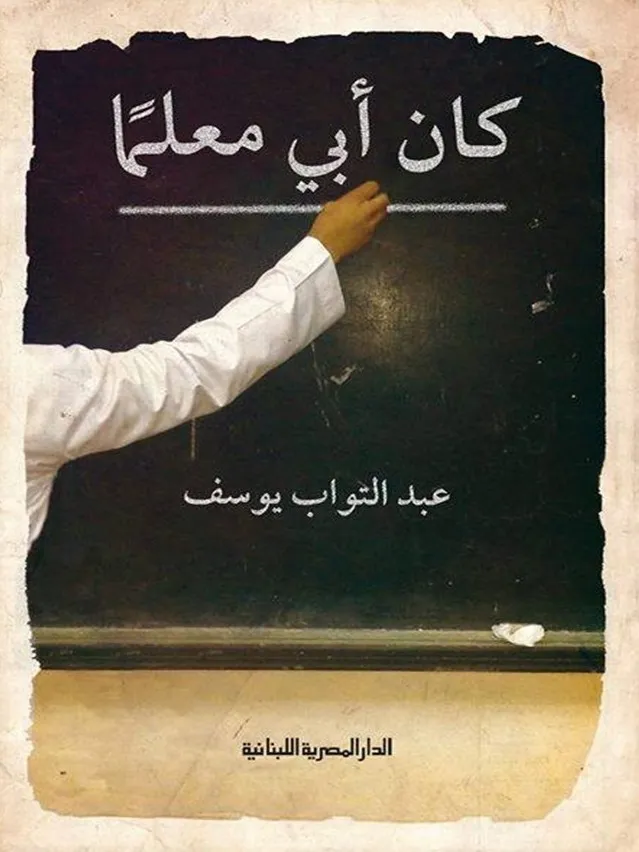
My Father Was a Teacher
1976Abdeltawab Youssef’s short biography of his father, Sheikh Youssef Ahmed Youssef, a schoolteacher in his village and in Beni Suef. It first ran as a serial in Al-Ra’id, a magazine for teachers, and came out as a book from Dar al-Maaref in 1976. This is the opening of the first chapter, “A Moment in Life”, in which a famous doctor at Kasr El-Aini hands his fee back to his old teacher. The English translation by Loubna Youssef, edited by Mohamed Enani, was published in 2014.
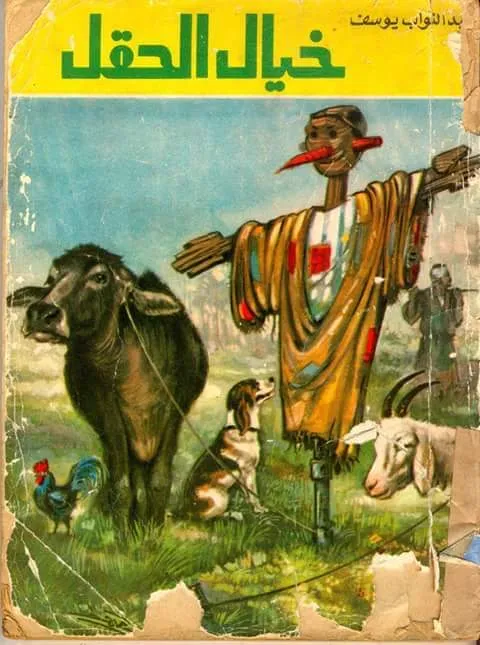
The Scarecrow
1968Khayal al-Haql (first published at the end of 1968 as Khayal al-Ma’ata) is one of the first Arabic novels written for children; he regarded it as the first wholly original one. In the 1970s the Ministry of Education made it the set reader for sixth-graders in every school in Egypt. The scarecrow himself tells the story, watching over a group of children who farm their family’s five feddans while their father is missing at war. This excerpt is from Loubna Youssef’s English translation.
Essays
Such Was the Teacher
2014A short preface Abdeltawab Youssef wrote for the bilingual Arabic–English edition of My Father Was a Teacher, published in 2014, nearly forty years after the book first appeared. He recalls how readers received the biography, asks how the son of a turbaned village teacher came to raise a family of professors, diplomats and writers, and offers the book to teachers “who carry the stick of chalk as a sixth finger on their hands.”
- قصص الحيوان للأطفال في أدب الأطفال وفي «ألف ليلة وليلة»
Animal Stories for Children in Children’s Literature and in The Arabian Nights
In this essay Abdeltawab Youssef defends The Arabian Nights against its detractors and traces the animal story from the walls of Egyptian temples to Animal Farm and Frederick. His starting point is a study by his teacher Suhair al-Qalamawi, to which he contributed a chapter. At the end he reveals the secret of his best-known method, letting the animals themselves tell the life of the Prophet and the stories of the prophets, and says it was inspired by The Arabian Nights and Kalila and Dimna. These excerpts are from the English version prepared for his earlier website.
- غزوات القرن الحادي والعشرين
The Invasions of the Twenty-First Century
2001Abdeltawab Youssef opened his story series The Invasions of the Twenty-First Century (Dar al-Maaref, 2001) with these questions: why does man fight his brother instead of conquering thirst, hunger and ignorance? Alongside them is his short piece “Space Invasions”, which runs from Abbas ibn Firnas to Sputnik to ask why space travel cannot carry a message of peace. From the English version prepared for his earlier website.