Dr Zewail’s Watch
ساعة د. زويل · 2007
A story Abdeltawab Youssef wrote in 2007. A grandson asks for “Dr Zewail’s watch”, the femtosecond clock behind Ahmed Zewail’s Nobel Prize, as a birthday present. The request takes his grandfather back to his first journey outside Egypt, in 1970: to the ancient Egyptian water clocks in a London museum and to the station clock at Greenwich. The grandfather is largely the author himself, greeted as “Mr Tawab, the Egyptian”, who went to the Nile Primary School in Beni Suef.
The grandfather wanted to give his grandson something new for his birthday. Youssef had outgrown childhood and no longer wanted a toy or new clothes, so his grandfather asked him:
“What would you like?”
Youssef smiled and said slyly:
“I want a watch…”
“You already have a fine, elegant watch on your wrist.”
“I know.”
“Then which watch do you want?”
“Dr Zewail’s watch.”
“What?”
“You heard me, Grandpa…”
“Where did you hear of it, or see it?”
“I have never heard of it or seen it…”
“Do you mean the watch on his wrist? You want it for yourself?”
“Of course not… we could never get hold of that.”
“Then what watch are you talking about?”
“The one he invented with his team, the one they say won him the Nobel Prize…”
“I still don’t understand you.”
“The watch that measures time in femtoseconds.”
The grandfather’s eyes and mouth opened wide, and he cried: “What?”
Youssef was quiet for a moment, then gave a little laugh and said:
“Grandpa, you asked me what I wanted for my birthday, and I have answered you… Now make my wish come true.”
“What you want is something that has never come true and never will…”
“Is it possible that he won the Nobel Prize for something imaginary, something that has never come true and never will?!”
“Youssef, you are turning things upside down.”
“How, Grandpa?”
“People imagine many things they consider fantasy. Ali Baba calls to the mountain, ‘Open Sesame!’, and the door opens, and today safes open with a voiceprint. Some imagined a way to fly through the air like birds, and we became able to build the airplane. We wished to swim underwater, and found a way to dive and built the submarine. And you want a watch on your wrist whose hands show the time in femtoseconds. How?”
— 2 —
After Youssef left, his grandfather began to laugh, talking to himself without a sound:
“What a generation… and what an imagination! How can this ‘boy’ imagine that such a watch could exist?”
His memory took him back to the day, more than a third of a century ago, when he visited three neighbouring museums in London. He wondered whether they were still standing, the museums of history, geography and science near Kensington Gardens, as he remembered them. In one of them he had seen a room holding models of ancient Egyptian water clocks. He had been astonished by what the man in charge of that room said, after welcoming him as a grandson of the people who invented this way of measuring time:
“Even now, in the last third of the twentieth century” (it was 1970), “you can set your wristwatch by these clocks…”
The man took hold of his left hand, looked at his wristwatch, and asked:
“Is it Egyptian-made?”
He lowered his head as he answered:
“No, it’s Swiss…”
He expected the man to say: “Isn’t that a shame on you?” The man did not say it. Instead he began comparing the time on one of the water clocks with the watch on his wrist…
The surprise was that the water clock was exactly right and kept perfect time. At that moment he wished someone would take a photograph of him showing his watch beside the clock of his great ancestor… But he did not forget to ask the keeper of the room for permission to plant a small kiss on it. The man said:
“You may… on condition that your lips do not touch it.”
The man roared with laughter as he watched the grandson give it a ‘transparent’ kiss, keeping to the condition and to his promise.
The man, as the grandfather remembers, gave him the warmest of welcomes. Despite all the talk of ‘English’ reserve, he did more than shake his hand warmly. He embraced him and kissed his forehead, saying:
“Believe me, this is the first time I have met an Egyptian… How wonderful to embrace a grandson of the Pharaohs!”
That day he left him, trying to hold back his tears!
— 3 —
The grandfather remembered something else that happened to him on the same trip. That day he had been told:
“Your programme includes a visit to Greenwich…”
He beamed and exclaimed:
“That’s wonderful…”
“There you will stand in a way I don’t think you ever imagined you would…”
“What do you mean?”
“You know, of course, how important Greenwich is to the whole world?”
“Since my first year at the Nile Primary School in Beni Suef… It is where the lines of longitude are fixed, east and west, just as the equator divides north from south…”
“At Greenwich you will stand with one foot in the eastern half of the globe and the other in the western half…”
He was amazed. They went on to explain:
“There is a strip of iron fixed in the ground that divides the east of the globe from the west. You will stand over it with your legs apart…”
I asked: “And will someone take my picture?”
“Yes…”
He was overjoyed. They explained how he would take the train to Greenwich by himself, and how he would come back. It worried him, for this was his first journey outside Egypt… What had amazed him in those days was that he had left Egypt only to find her waiting for him: in the British Museum, in the square where the Egyptian obelisk they call Cleopatra’s Needle stands, and in the hall of water clocks at the museum…
The train ride was lovely, and on the way he read a small booklet about Greenwich… As soon as he stepped onto the platform he found someone waiting who recognised him by his looks:
“Mr Tawab, the Egyptian?”
“Yes.”
“Greenwich welcomes you.”
She shook his hand warmly… He glanced at her quickly, and there behind her was the station clock. His eyes fixed on it, and she turned round to see what he was staring at…
He laughed wryly and said: “The first thing my eyes fall on is the clock of Greenwich station, stopped and not working… and the whole world sets its time by it!”
She looked up at its hands and burst out laughing…
“I’ll pass this on to our local paper, and when we print it I’ll send you a copy.”
She kept her word… and he kept the newspaper, with his photograph in it!
— 4 —
Youssef went off, leaving his grandfather, who had decided to tell him whatever remained in his memory of that old trip to England. Youssef, meanwhile, was laughing at the idea of getting a watch for his birthday that measured time in femtoseconds, and he wondered…
“Could I write to him and ask whether there is anything like that? Has such an idea ever crossed his mind?”
I know he would laugh a lot… not at the idea, but at my ignorance. I am the grandson of the first people who understood the value of time and invented ways to measure it: the sundial, the hourglass and the water clock. They are the ones who learned, by reading the sky and its stars, that the year has 365 days… They divided it into 12 months of 30 days each, and set aside the five remaining days as what they called ‘nasi’, something forgotten, without a date, until the new year begins…
And Youssef wondered:
“I wonder what present Grandpa will bring me for my birthday?”
He might be thinking of a ‘chronometer’, or something like that…
Youssef forgot all about it until his birthday came and his grandfather arrived to celebrate with the family…
Then Youssef remembered what had passed between him and his grandfather, and he was especially eager for his present. When the time came to open the gifts, everyone urged him to open theirs first. The last was the one his grandfather had brought. He held it back so that it would be the last thing Youssef received…
Each present that was opened was greeted with cheers and cries of delight… and the giver was often applauded for choosing so well.
At last the grandfather brought out the big box. Youssef took it in his arms as his grandfather said:
“This is what you asked for… I went to a great deal of trouble to get you exactly what you wanted, down to the last detail…”
Voices rose, asking: “What did he ask for?”
The grandfather replied: “Dr Zewail’s watch…”
“Did you really bring it?”
“Could I ever refuse anything Youssef asks for?”
Hands reached out to undo the coloured paper wrapped around the box and help Youssef open it…
It was completely empty…
“You asked for something imaginary… something unreal… and we live in the age of science!”
And everyone burst out laughing.
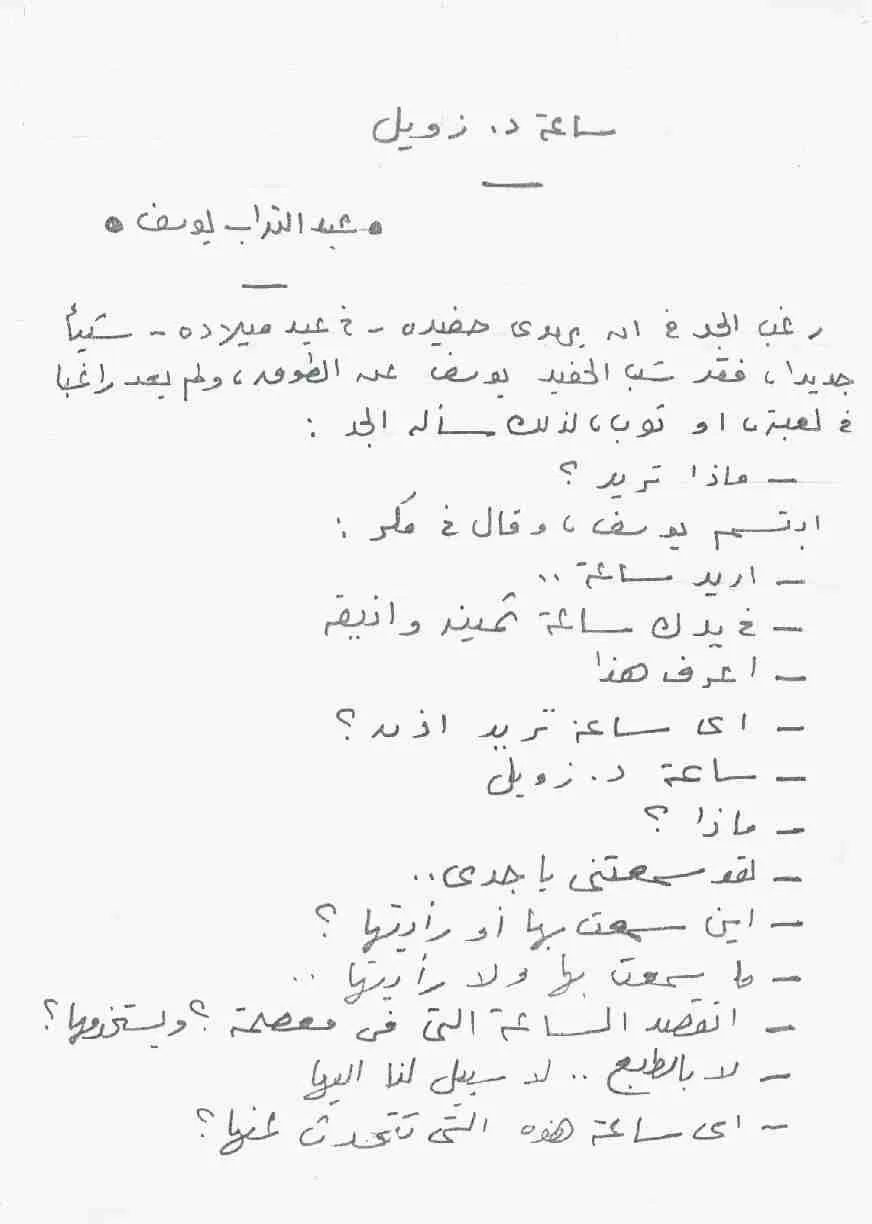
رغب الجد فى أن يهدى حفيده - فى عيد ميلاده - شيئًا جديدًا، فقد شبَّ الحفيد يوسف عن الطوق، ولم يعد راغبًا فى لعبة، أو ثوب، لذلك سأله الجد:
- ماذا تريد؟
ابتسم يوسف، وقال فى مكر:
- أريد ساعة..
- فى يدك ساعة ثمينة وأنيقة
- أعرف هذا
- أى ساعة تريد إذن؟
- ساعة د. زويل
- ماذا؟
- لقد سمعتنى يا جدى..
- أين سمعت بها أو رأيتها؟
- ما سمعت بها ولا رأيتها..
- أتقصد الساعة التى فى معصمه؟ وتستحوذها؟
- لا بالطبع.. لا سبيل لنا إليها
- أى ساعة هذه التى تتحدث عنها؟
- تلك التى ابتكرها هو وفريق العمل، والتى فيما قيل فاز عليها بجائزة نوبل..
- لم أفهمك بعد
- الساعة التى تقيس الوقت وفق الفيمتوثانية
فتح الجد عينيه، وفمه، وهتف: ماذا؟
سكت يوسف قليلًا ثم أطلق ضحكة خفيفة وقال:
- إنك يا جدى سألتنى عما أريده هدية لعيد ميلادى، وها أنا قد أجبتك.. حقق لى ما أريد
- ما تريده شىء لم ولن يتحقق..
- هل يُعقل أنه يحصل على جائزة نوبل على شىء خرافى، لم ولن يتحقق؟!
- إنك يا يوسف تقلب الأمور رأسًا على عقب
- كيف يا جدى..
- الناس تتخيل أشياء كثيرة يرونها خرافية: على بابا ينادى الجبل: افتح يا سمسم، وإذا بالباب ينفتح، وتُفتح الخزائن الآن ببصمة الصوت.. يتصور البعض وسيلة للتحليق فى الهواء مثل الطيور، ونقدر على صنع الطائرة، ونتمنى أن نسبح تحت الماء، ونجد وسيلة للغوص ونبنى غواصة، وأنت تريد أن تضع فى يدك ساعة تشير عقاربها للوقت وفق الفيمتوثانية.. كيف؟
— 2 —
بعد أن غادر يوسف جده، راح هذا يضحك، ويحدث نفسه بلا صوت..
- يا له من جيل.. ويا له من خيال.. كيف «يتصور» هذا «الولد» أن من الممكن أن توجد مثل هذه الساعة؟
وعاد بذاكرته إلى يوم زار ثلاثة متاحف متجاورة فى لندن، منذ أكثر من ثلث القرن.. تُرى، أما زالت قائمة هذه المتاحف: التاريخى، والجغرافى، والعلمى، قرب حدائق كنزنجتون كما يذكر؟!.. لقد رأى فى واحد منها غرفة تضم نماذج من الساعات المائية المصرية القديمة، وأذهله ما قاله المسؤول عن هذه الغرفة، بعد أن رحَّب به، لأنه حفيد هؤلاء الذين أبدعوا هذا الأسلوب فى قياس الوقت..
- تستطيع ونحن فى الثلث الأخير من القرن العشرين - كنا فى عام 1970 - أن تضبط ساعة يدك على هذه الساعات..
وأمسك الرجل بيسراه، وتطلع لساعة يده وسأله:
- هل هى مصرية الصنع؟
ساعتها، طأطأ رأسه، وهو يجيب:
- بل سويسرية..
وتوقع أن يقول الرجل: أليس عيبًا عليكم هذا؟ لم يقلها الرجل، وإنما راح يضاهى الوقت ما بين واحدة من الساعات المائية وتلك التى فى معصمه..
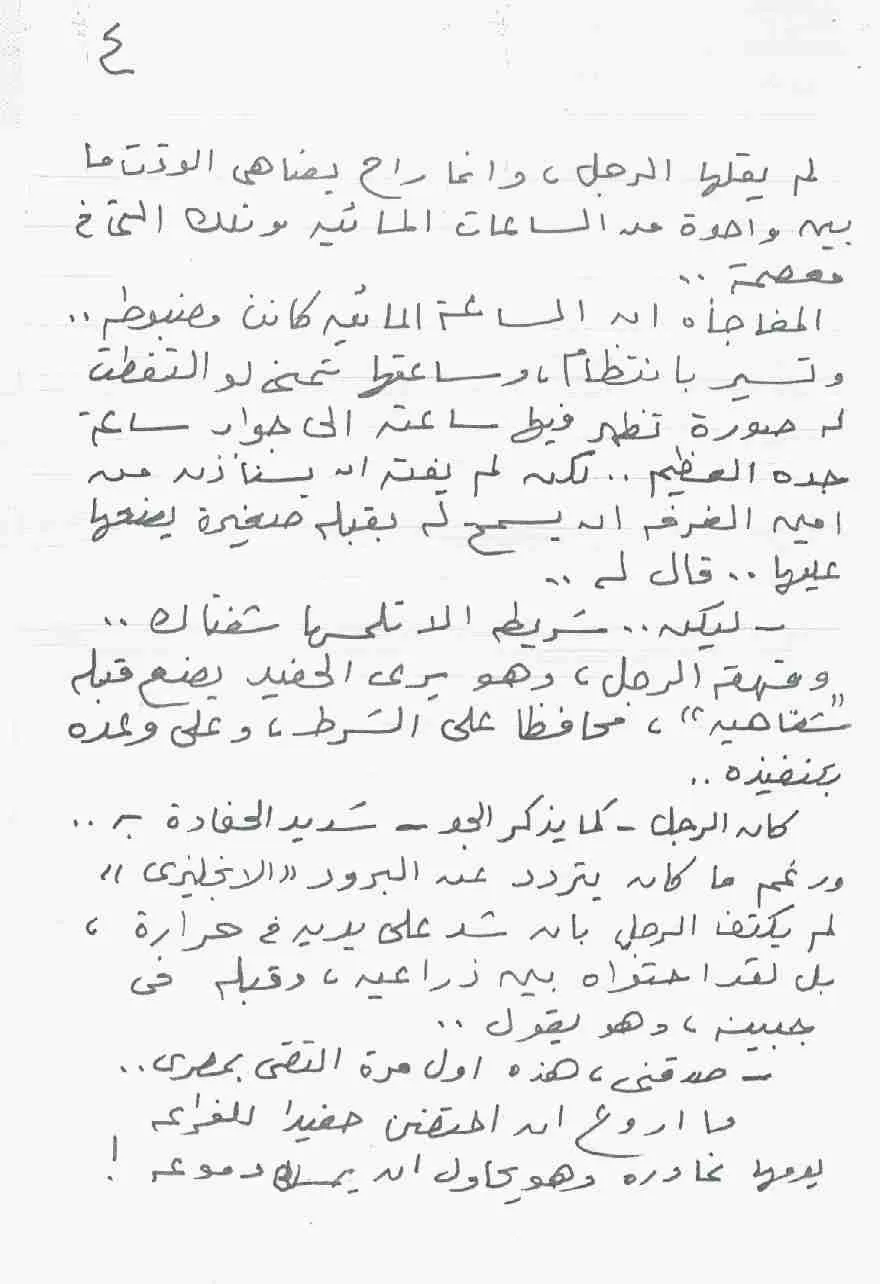
المفاجأة أن الساعة المائية كانت مضبوطة.. وتسير بانتظام، وساعتها تمنى لو التُقطت له صورة تظهر فيها ساعته إلى جوار ساعة جده العظيم.. لكنه لم يفته أن يستأذن من أمين الغرفة أن يسمح له بقبلة صغيرة يطبعها عليها.. قال له..
- لك.. شريطة ألا تلمسها شفتاك..
وقهقه الرجل، وهو يرى الحفيد يضع قبلة «شفافية»، محافظًا على الشرط، وعلى وعده بتنفيذه..
كان الرجل - كما يذكر الجد - شديد الحفاوة به.. ورغم ما كان يتردد عن البرود «الإنجليزى» لم يكتف الرجل بأن شدَّ على يديه فى حرارة، بل لقد احتواه بين ذراعيه، وقبَّله فى جبينه، وهو يقول..
- صدقنى، هذه أول مرة ألتقى بمصرى.. ما أروع أن أحتضن حفيدًا للفراعنة!
يومها غادره وهو يحاول أن يمسك دموعه!
— 3 —
وتذكر الجد حدثًا آخر، وقع له فى نفس الرحلة.. قيل له يومها:
- برنامجك يتضمن زيارة إلى جرينتش..
تهلل، وهتف..
- هذا شىء رائع..
- ستحظى هناك بوقفة لا أظنك تخيلت قبلًا أنك سوف تحظى بها..
- أى وقفة هذه؟
- إنك تعرف بالطبع أهمية جرينتش عالميًا؟
- منذ كنت فى السنة الأولى بمدرسة النيل الابتدائية ببنى سويف.. عندها تتحدد خطوط الطول: شرقًا وغربًا، كما يحدد خط الاستواء: الشمال والجنوب..
- فى جرينتش ستقف وقدم لك فى شرق الكرة الأرضية، والأخرى فى غربها..
أبدى دهشة شديدة.. أضافوا ليشرحوا له الفكرة
- هناك قطعة حديد مثبتة على الأرض، تحدد شرق الكرة الأرضية من غربها.. ستقف من فوقها وقد تباعدت ساقاك..
سألت: وتُلتقط لى صورة؟
- نعم..
غمرته الفرحة.. شرحوا له كيف سيستقل القطار وحده إلى جرينتش، وكيف سيعود.. وكان الأمر مقلقًا له إذ كانت هذه أول رحلة له يخرج فيها من مصر.. وقد أدهشه يومها أنه غادرها ليجدها فى انتظاره: فى المتحف البريطانى، وفى الميدان الذى تقف فيه المسلة المصرية التى يسمونها إبرة كليوباترا، وفى قاعة الساعات المائية فى المتحف..
كانت رحلة القطار جميلة، قرأ خلالها كتيبًا صغيرًا عن جرينتش.. وما إن نزل إلى المحطة حتى وجد فى انتظاره من عرفه من ملامحه..
- مستر تواب، المصرى
- نعم
- جرينتش ترحب بك
وشدَّت على يده، بحرارة.. رمقها بنظرة سريعة، وإذا بساعة المحطة من خلفها، وتسمرت عيناه عليها، فالتفتت للوراء تريد أن تعرف فيمَ يحدق..
قال ضاحكًا ساخرًا: أول ما يقع عليه بصرى ساعة محطة جرينتش، متوقفة لا تعمل.. والعالم يضبط بتوقيتها!
تطلعت إلى عقربيها، وانفجرت ضاحكة..
- سأنقل هذا إلى صحيفتنا المحلية، وعندما ننشر هذا سأوافيك بها
وقد وفت.. واحتفظ بالصحيفة وصورته بها!
— 4 —
انصرف يوسف، وغادر جده - الذى قرر أن يحكى له ما بقى فى ذاكرته من رحلته القديمة إلى إنجلترا - بينما كان يوسف يضحك على فكرة أن يحصل فى عيد ميلاده على ساعة تقيس الوقت وفق الفيمتوثانية، وتساءل..
- هل من الممكن أن أبعث إليه أسأله إن كان هناك شىء من هذا القبيل؟ وهل خطرت فى باله مثل هذه الفكرة؟
أعرف أنه سيضحك كثيرًا.. ليس للفكرة، بل يضحك من جهلى، أنا حفيد أول من عرفوا قيمة الوقت، وابتكروا وسائل قياسه: المزولة، والساعة الرملية، والساعة المائية، وهم الذين عرفوا من خلال قراءة السماء ونجومها أن السنة 365 يومًا.. وقسموها على 12 شهرًا، كل شهر 30 يومًا.. واعتبروا الأيام الخمسة ما سموه «نسيئًا» أى شيئًا منسيًا.. أو بلا تاريخ إلى أن يحل العام الجديد..
وتساءل يوسف:
- تُرى ما هى هدية عيد ميلادى التى سوف يأتى لى بها جدى؟
قد يفكر فى «كرونومتر» أو شىء من هذا القبيل..
ونسى يوسف الأمر تمامًا، إلى أن حلَّ يوم عيد ميلاده، وقدم الجد ليحتفل به مع الأسرة..
وتذكر يوسف ساعتها ما جرى بينه وبين جده، وكان متشوقًا إلى هديته بالذات.. وعندما بدأت ساعة تلقيها، كان الجميع يهتفون به أن يبادر إلى فتح علبهم، وكان آخرها ما حمل جده، واستبقاه لكى يكون آخر ما يتسلم يوسف..
ومع كل هدية تُفتح كانت هناك تهليلات وصيحات.. وكثيرًا ما حظى صاحبها بالتصفيق على حسن الاختيار.
وأخيرًا حمل الجد الصندوق الكبير الذى تلقاه يوسف بين ذراعيه، والجد يقول..
- هذا هو ما طلبته.. وقد تعبت كثيرًا لكى أحقق لك ما تريده، بالتمام والكمال..
ارتفعت الأصوات تسأل: ماذا طلب؟
ردَّ الجد: ساعة د. زويل..
- هل أتيته بها؟
- وهل أستطيع رفض شىء يطلبه يوسف؟
وامتدت الأيدى تفك الأوراق الملونة التى تغلف الصندوق وتساعد يوسف على فتحه..
كان خاليًا تمامًا..
- لقد طلبت شيئًا خرافيًا.. وهميًا.. ونحن فى عصر العلم!
وانفجر الجميع ضاحكين