The books
A catalogue of 1,211 of his titles, gathered from the family’s lists, his old website, publishers and libraries. The catalogue is still growing.
Landmark works
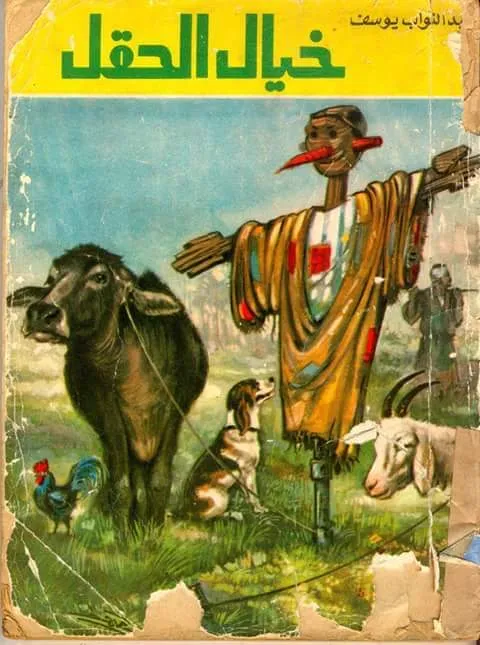
- The ScarecrowA novel of Egyptian village life. While the farmer Abdel-Salam is away at war, his children Saber and Salma and their friends farm the family's five feddans. It is one of the first Arabic novels written for children. It was set reading for sixth-graders across Egypt from 1970 to 1974, and 3 million copies were printed.
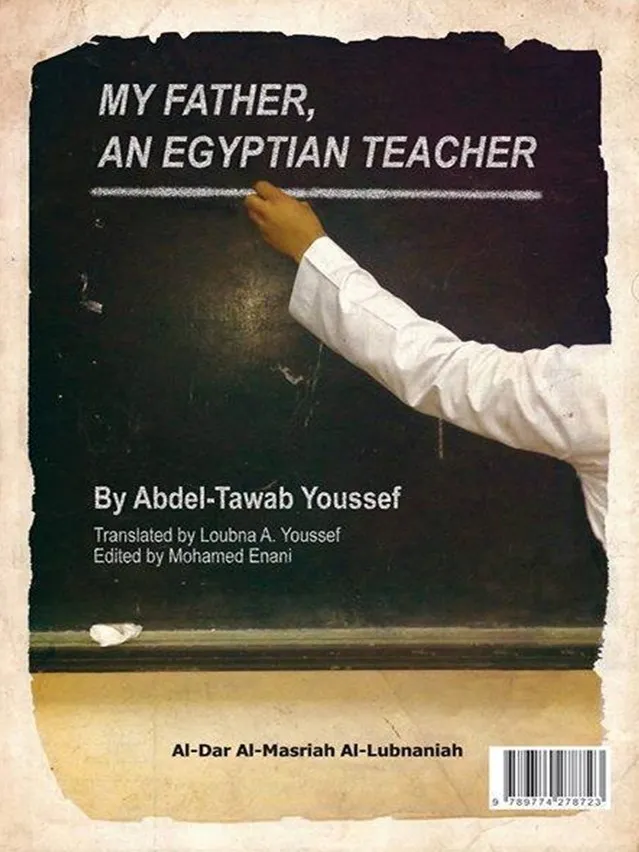
- My Father: An Egyptian TeacherA biographical novella about the author's father, Sheikh Youssef, an Arabic teacher educated in the kuttab who took part in the national struggle against British occupation. He dedicated it "to all who hold with honour the title of Teacher". The book is the source of *The Noble Teacher* (المعلم النبيل). Loubna Youssef's English translation was published in 2014.
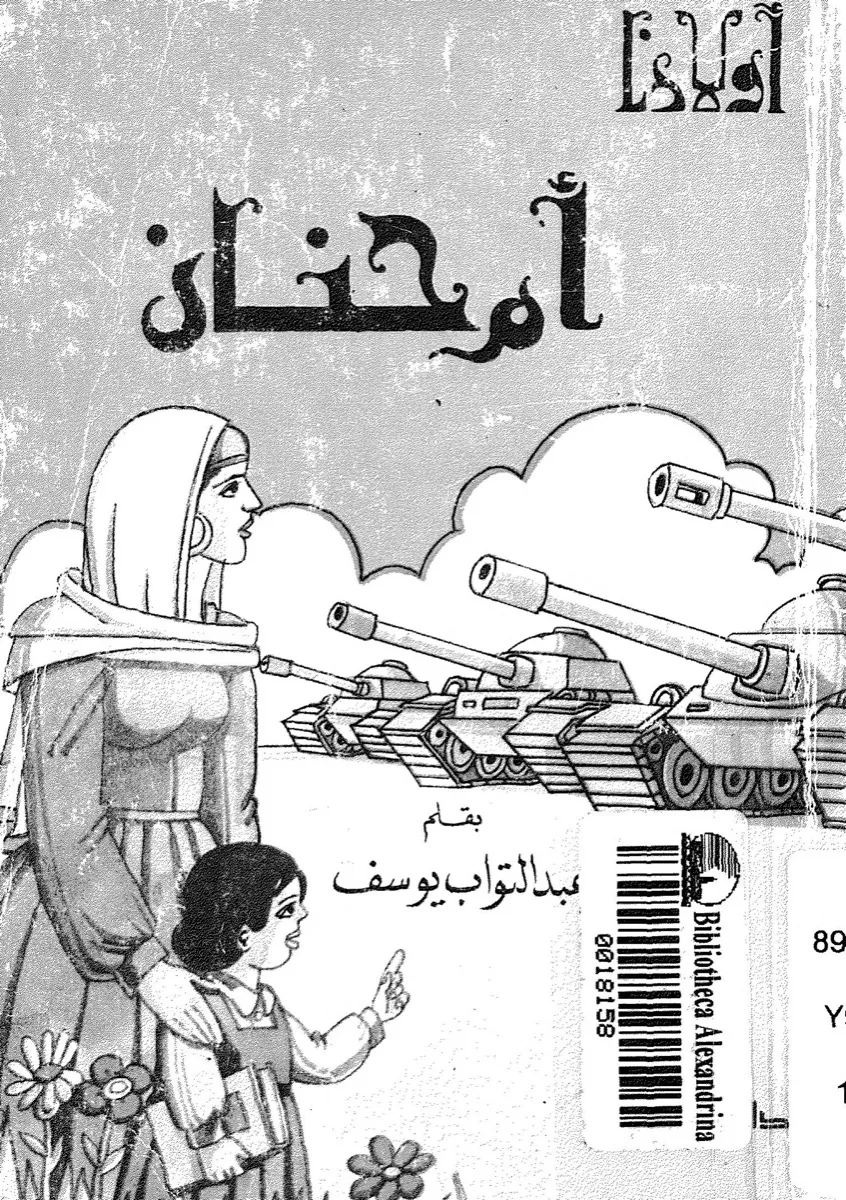
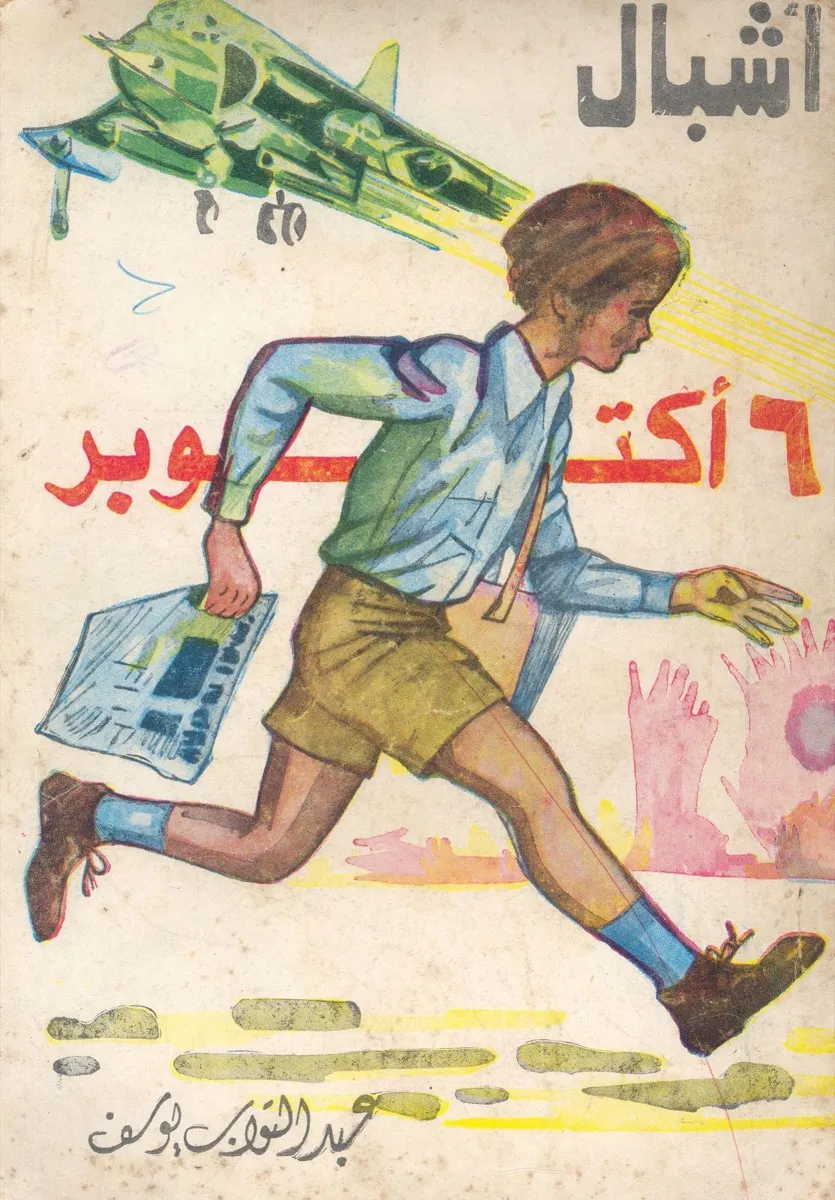
- Umm Hanan: A Novel for Young Readers about the October WarA novel for teenagers set during the October 1973 war. It is one of his works of "October literature", alongside *6 October* and *The Cubs of the Sixth of October*. In 1992 he received the Armed Forces Award for his October-war literature.
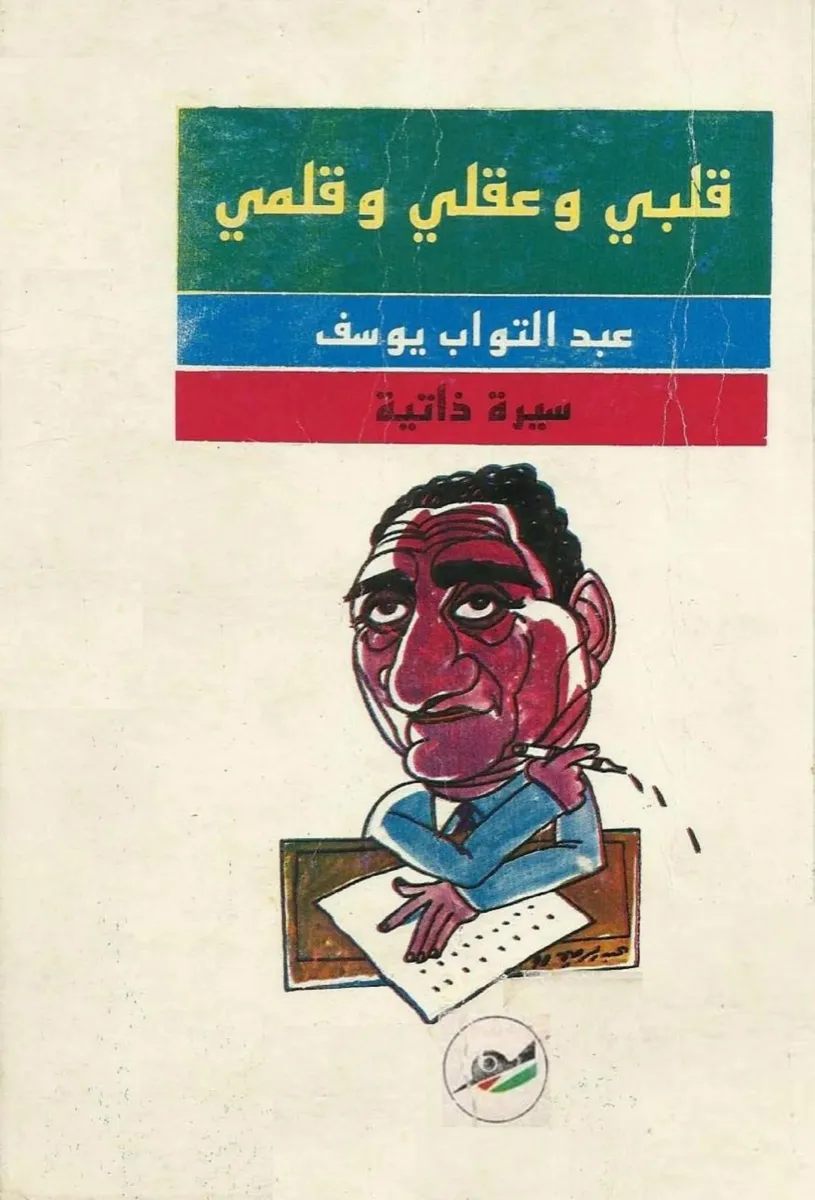
- My Heart, My Mind and My Pen: An AutobiographyHis autobiography and an account of writing for Arab children. It covers his childhood between village and city, his decade in radio, and the "great turn" towards writing 1,000 books.
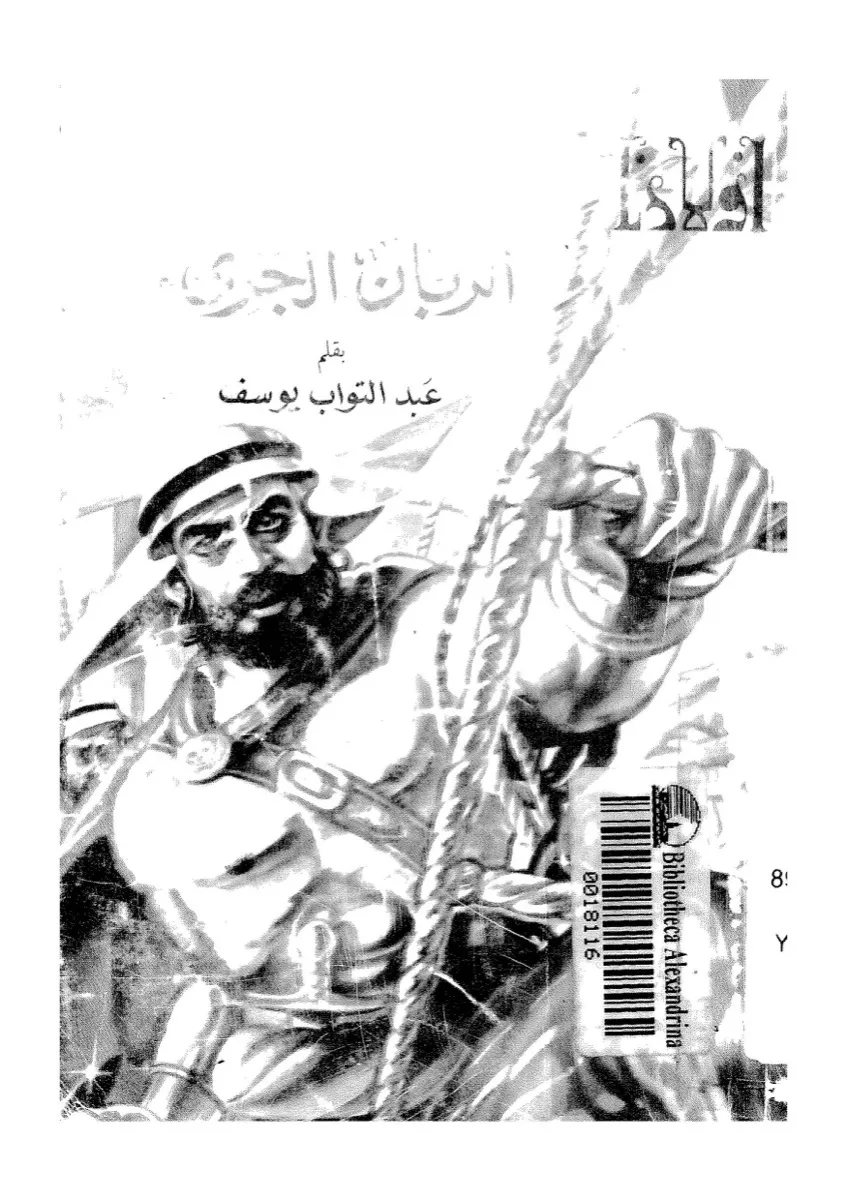
- The Audacious SkipperA historical adventure about Rahma, a sea captain who lived some 150 years before the book was written. The only records of him come from his enemies; the author reconstructs him as a hero.
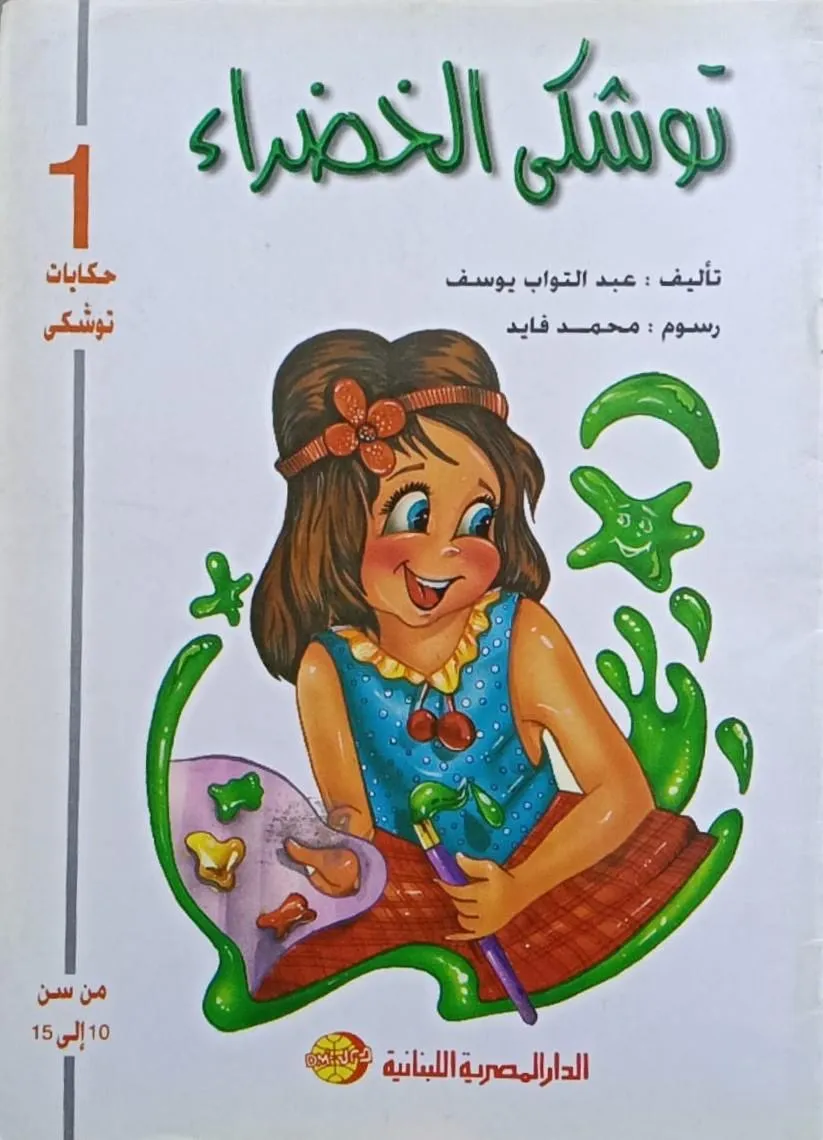
- Green ToshkaFive stories about Egypt's Toshka land-reclamation project in the southern desert. They were placed on the IBBY Honour List in 2000. Together with *A Life of the Prophet Muhammad in Twenty Tales*, they were also cited for his Best Children's Writer award and the Suzanne Mubarak prize (1998 – 1999).
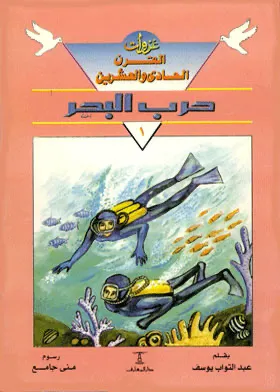
- Sea War"Why does man not conquer thirst, hunger and drought, poverty and disease?" In *Sea War*, a boy whose father was taken by the sea dreams of making sea water drinkable. The series was classified under the SDGs for water, hunger and life below water.
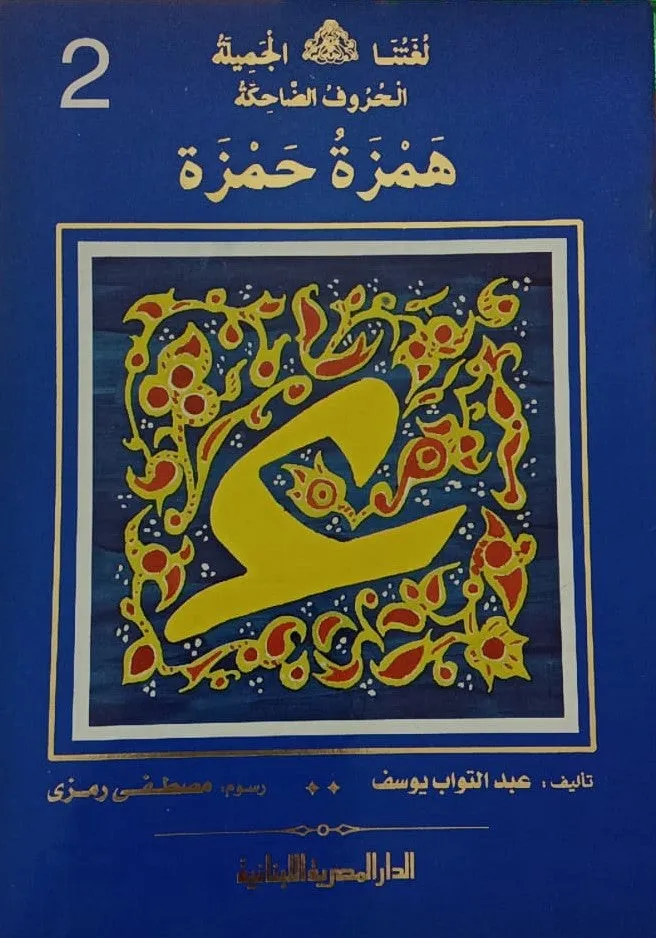
- Hamza's HamzaFour sets of eight stories each: *Smiling Letters*, *Grammar Stories*, *Punctuation Marks* and *Language Stories*. They turn letters, grammar rules and punctuation marks into characters. This is his most sustained effort to make Arabic lovable for children.
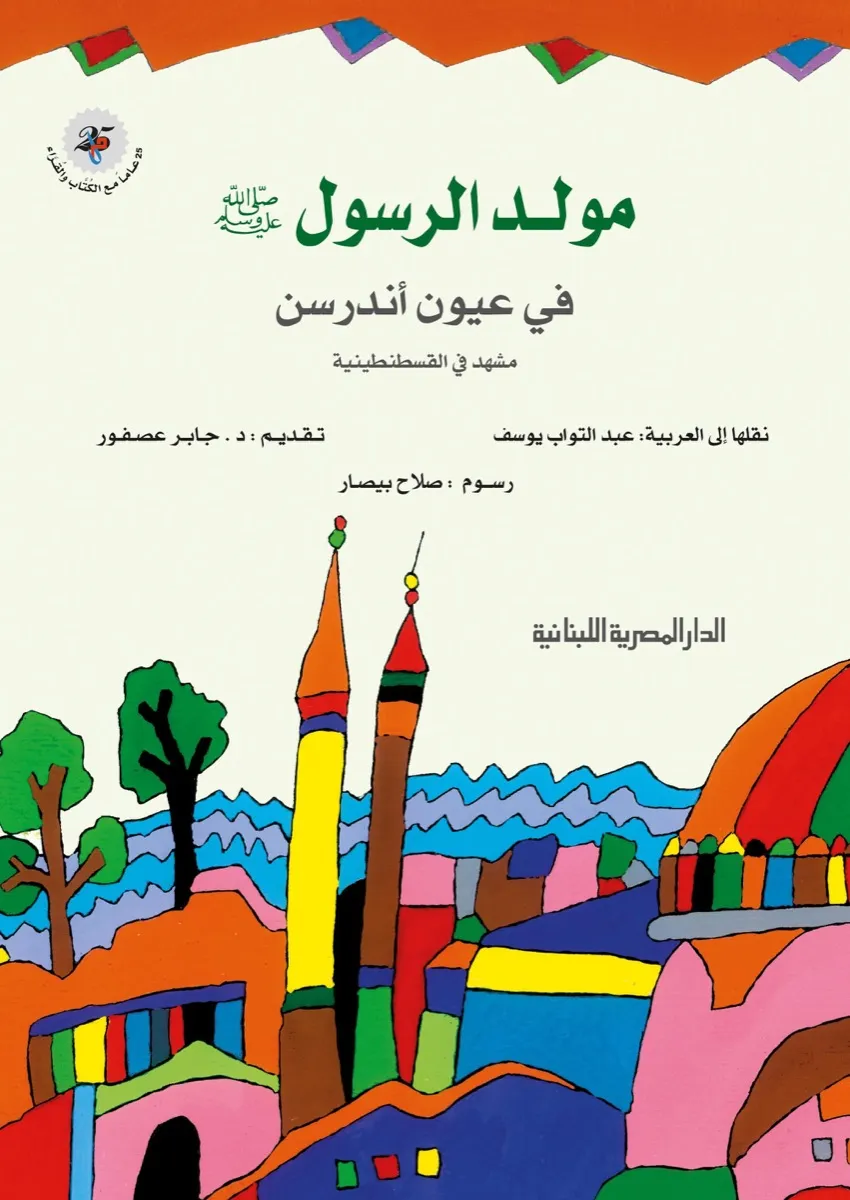
- The Prophet's Birthday through Andersen's EyesHis Arabic rendering of Hans Christian Andersen's account of the Prophet's birthday celebrations in Constantinople. He framed it as a lesson in respecting people of other faiths. It was placed on the 2012 IBBY Honour List for translation. It crowned his lifelong engagement with Andersen, which runs from *The Red Shoes* (1962) to *Five New Tales* (2005), written for the Andersen bicentenary.
- The Story of Every BookA book about books: how each book comes to be, and why it matters. It is one of the works for which he won the State Award, and an early example of his lifelong campaign for reading. It is classified under SDG 4 (Quality Education).
- The Victorious TreeA dialogue between a farmer and a tree that answers every neglect with patience and keeps sending its roots deeper for water. It is a parable of endurance and of the bond between people and nature. Loubna Youssef has translated it into English.
- Abu Rigl Maslukha (The Bogeyman with the Skinned Leg)Seven stories that take apart the bogeymen of Egyptian folklore, such as Abu Rigl Maslukha, Mother Ogress and the Sea Ghost, so that children are not ruled by fear. A companion series, *No Fear Allowed*, tackles fear of fire and darkness.
- Bunny Rabbit is a BusinessmanStories that teach young children about money, borrowing, investing and productivity, with titles such as *Bunny Rabbit is a Businessman*, *What Would You Do with a Million Pounds?* and *Ants and Justice*. They were an early Arabic attempt at financial literacy for children.
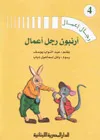
- I ObjectShort books with deliberately provocative titles: *Father, Say Yes*, *I Object*, *I Am Against the Government* and *Down with Blind Obedience*. They teach children that they have the right to question and to be heard. For adults he also wrote *Chapters on the Rights of the Child*. These books are classified under SDG 16.
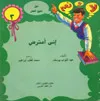
- Arab Stories: The State-Award-Winning Collection in Children's LiteratureA pan-Arab series in which each story is set in a different Arab country, from Iraq and Syria to Sudan, Libya, Kuwait and Oman. The books were illustrated by Mohieddin Ellabbad. The collected *Arab Stories* won the Egyptian State Award for Children's Literature in 1975, his first major prize. *The Day of Harvest* (Jordan) and *Al-Zarzour* (UAE, translated into English in 2001) belong to this series.
- The Child and FolkloreAbout forty studies for adults, on folklore and the child, children's cinema, the disabled child, children's rights, the Muslim child's literature, and reading. His *Guide for Intelligent Parents* sold two printings of 10,000 copies each. These works made him a theorist of Arab children's culture as well as its most prolific writer.
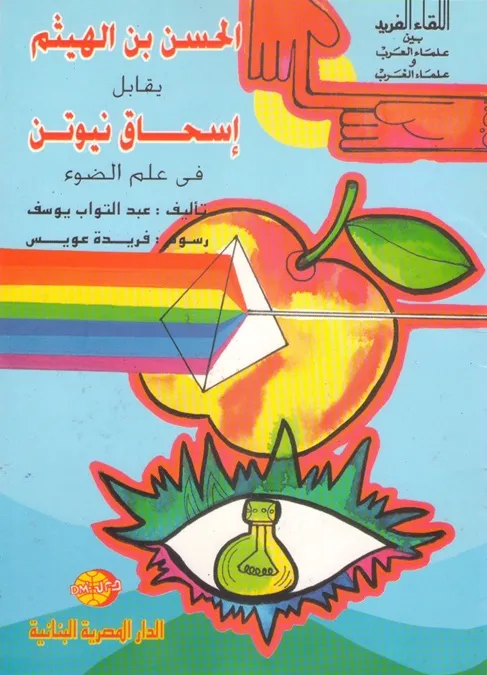
- Arab Pioneers and Western Scientists in a Strange EncounterImaginary meetings between classical Arab and Muslim scientists and their Western successors, such as Ibn Al-Haytham and Newton, Ibn Khaldun and Durkheim, and Ibn Firnas and the Wright brothers. The book won the Egyptian State Award in 1981. Khadiga Safwat's English translation (1984) is the basis of his Library of Congress authority record (n85142417). A later series of ten books (1992 – 2004) extended the idea to nursing, the clock, oxygen and psychology.
- The Shawki Anthology for ChildrenAnthologies, with critical studies, of the children's poetry of the first Arab poets to write for children: Ahmed Shawki, Kamel Kilani, Mohamed Al-Harawi and Ibrahim Al-Arab. Through them he recovered the Arab heritage of writing for children.
- Goha the Mat-MakerSeven comic plays about Goha. One of them, published in Spanish as *Goha, fabricante de burros*, appeared in a 1991 Granada anthology alongside Tawfiq al-Hakim and Naguib Mahfouz. *Kaf-Taa-Alif-Baa* is a four-act play about the book itself. His plays were the subject of an MA thesis by Adel Amin Shaddad (2006).
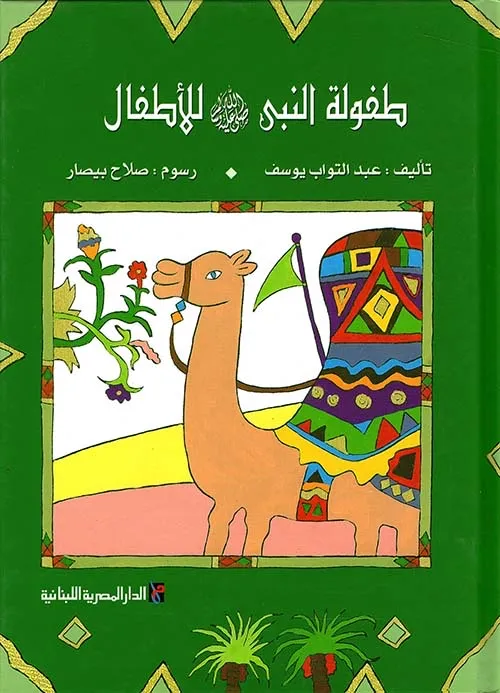
- A Life of the Prophet Muhammad in Twenty TalesThe life of the Prophet told in twenty tales, each narrated by an animal, plant or object that witnessed it. The first narrator is Abraha's elephant; others include a book, a stone and a she-camel. It is his best-known book: it has sold more than 7 million copies and has been reprinted at least 20 times. Its Dar El Shorouk edition won the New Horizons award at the Bologna Children's Book Fair in 2000. It has been translated into English twice, by Tony Calderbank and by Mohamed Enani, and also into Persian and Indonesian.
- The Spider's House and Other Tales from AfricaFolk tales from Africa, Indonesia, Japan, Spain, the Slavic lands and Native America. The series reflects his belief that Egyptian children should know Africa and the wider world; he also wrote the essay "African Folkloric Tales: A Source for International Stories".
- Room for ToleranceA bilingual picture book (ages 5–7) based on the idea that "reality is stranger than the imagination". It is classified under SDG 16 (Peace, Justice and Strong Institutions) and is one of his few books printed in Arabic and English together.
- One LegStories whose heroes are children with disabilities: a blind child, a deaf child, a child with one leg, a child with Down syndrome, a child with a cleft lip. They broke new ground in Arabic children's publishing, and sit alongside his study for adults, *The Culture of the Handicapped Child* (1990).
- CinderellaHis retellings for Dar al-Maaref's Green Library, the best-known children's series in the Arab world. The 54 titles include *Cinderella*, *Sleeping Beauty*, *The Wild Swans*, *Tom Thumb* and *The Bride of the Nile*, all illustrated by Maher Abdel-Qader.
- The Computer Analyses Grandpa's PersonalityHumorous stories in which a grandfather meets the computer: it guards the house, predicts the future, plays matchmaker and analyses Grandpa's personality. They were written when the author was nearly eighty.
- Zewail's WatchA story built around the Nobel laureate Ahmed Zewail, written to give Egyptian children a living scientific role model. It belongs with his other science books, among them *Scientists of the Future*, *Magic and Science*, *Twenty Inventors* and the science-fiction play *Planet of Youngsters*.
- Amm Rashed's GardenA bus driver cleans up a polluted bus stop and plants trees. A school and a donor turn wasteland into a garden, and a peaceful protest persuades factory owners to cut their smoke. It is a model story of civic action for children aged 5–6 (SDG 11).
- Doll.comA late novella telling the life of a doll, written in his last, very productive years (2009 – 2010). It shows him in his eighties taking up the themes of the internet age, as he did in *Grandpa and the Computer*.
1,211 books
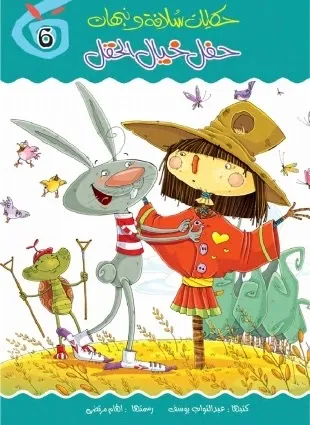
- The Scarecrow’s Party1971 · Tales of Sulafa and Nabhan
- The Scarecrow1971
- The Cubs of the Sixth of October1974
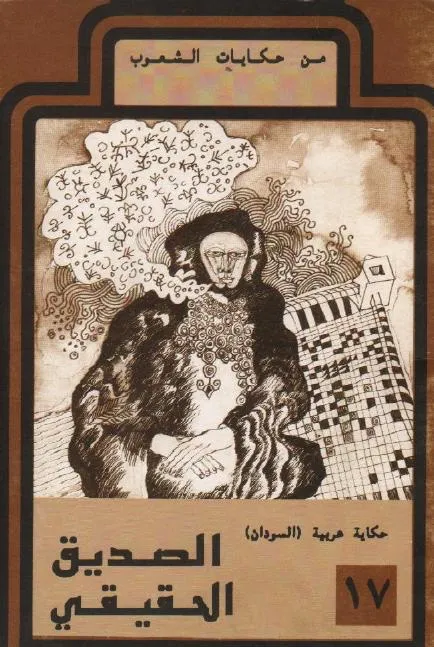
- My True Friend1975 · Arab Stories for Children
- My Father: An Egyptian Teacher1976
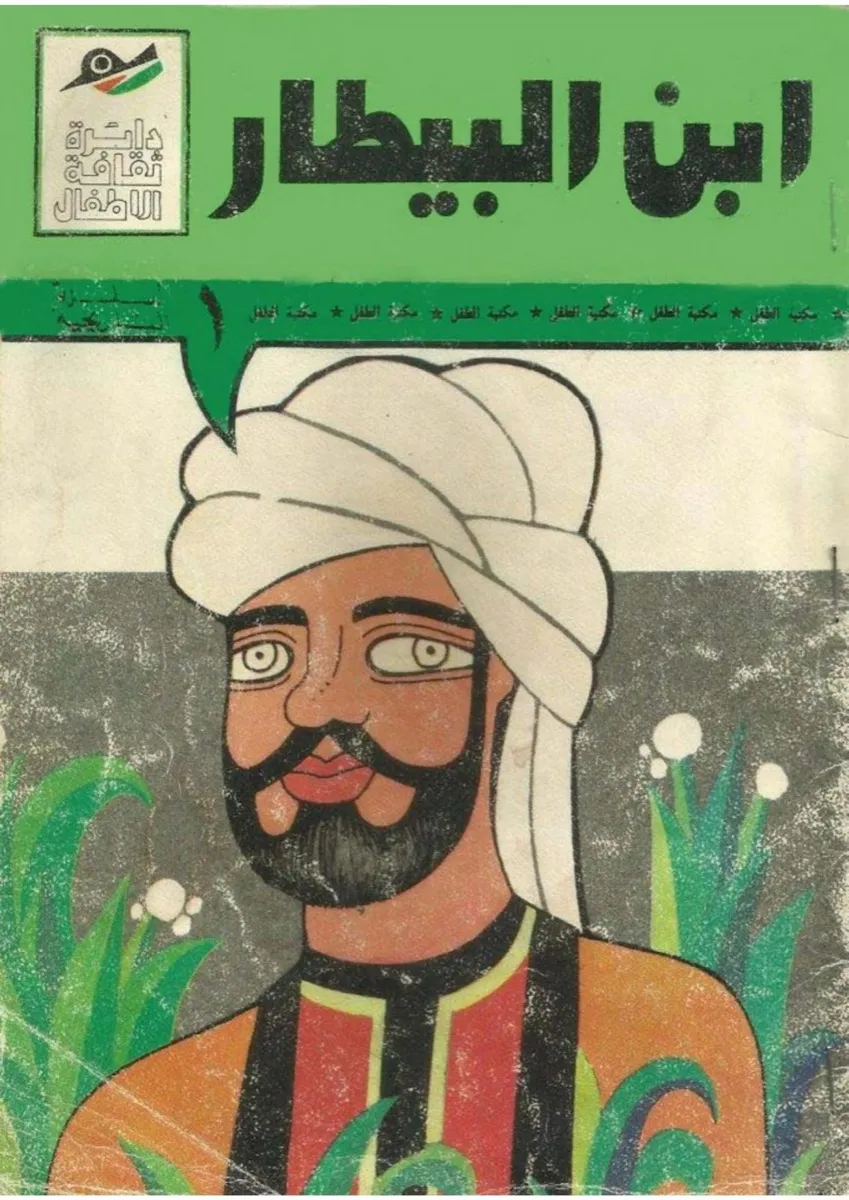
- Ibn El-Baytar1978 · School Theatre
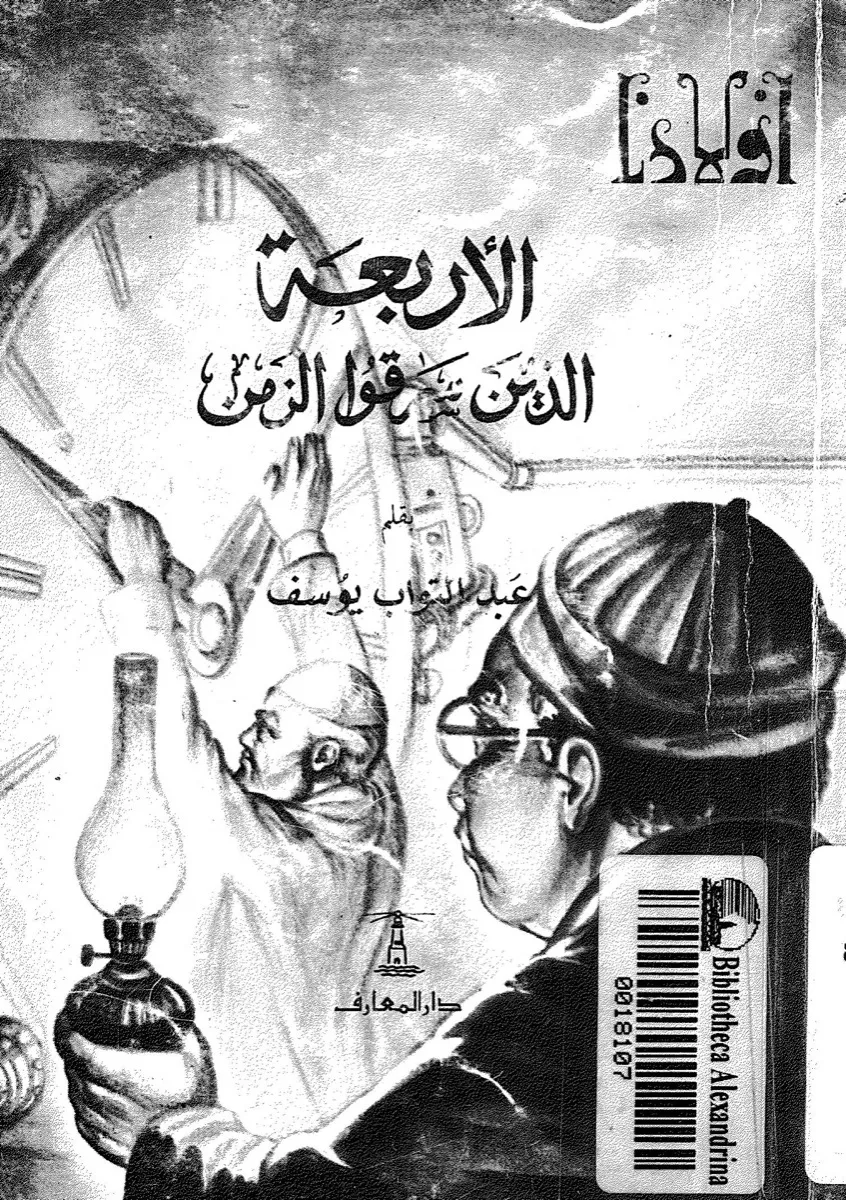
- The Four Who Stole Time1980 · The Our Children Series
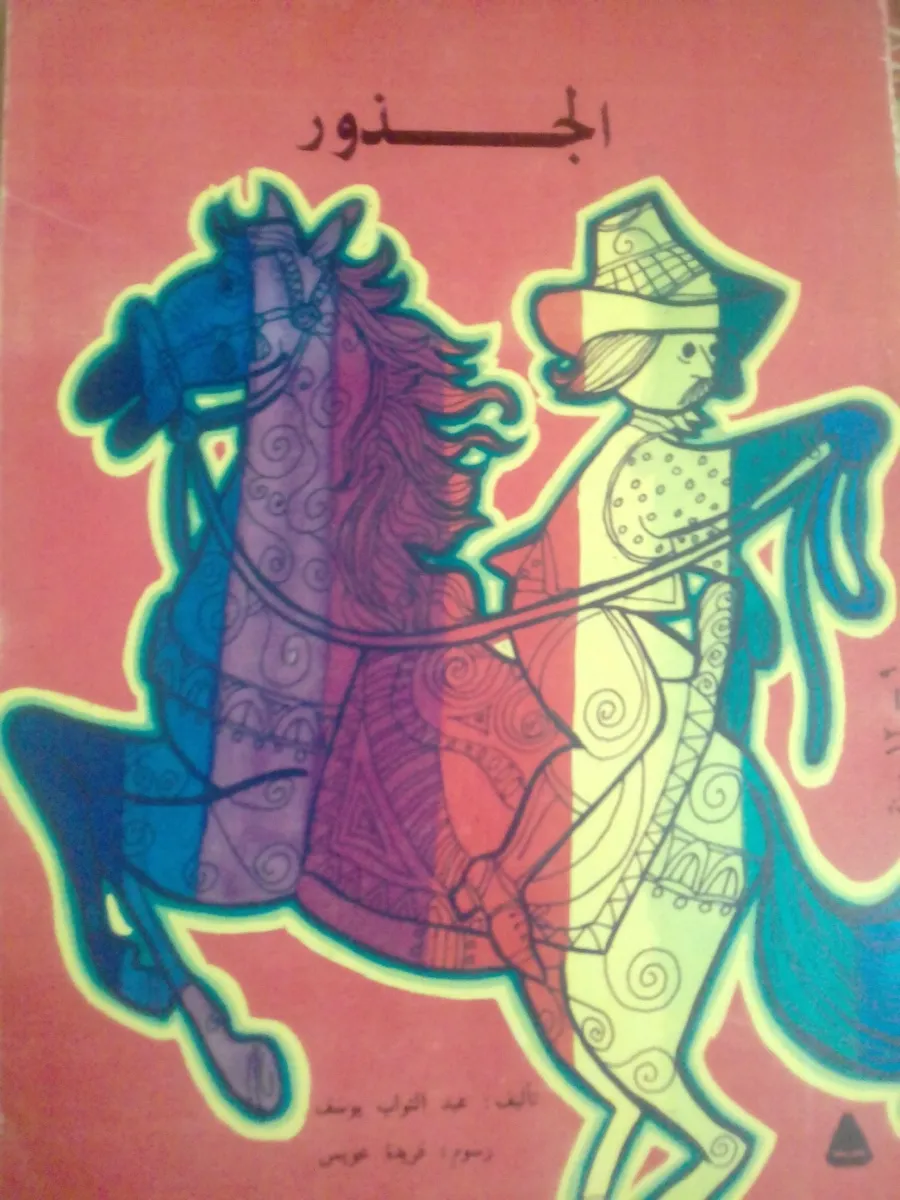
- The Roots1980 · The Tree of International Children's Literature Series
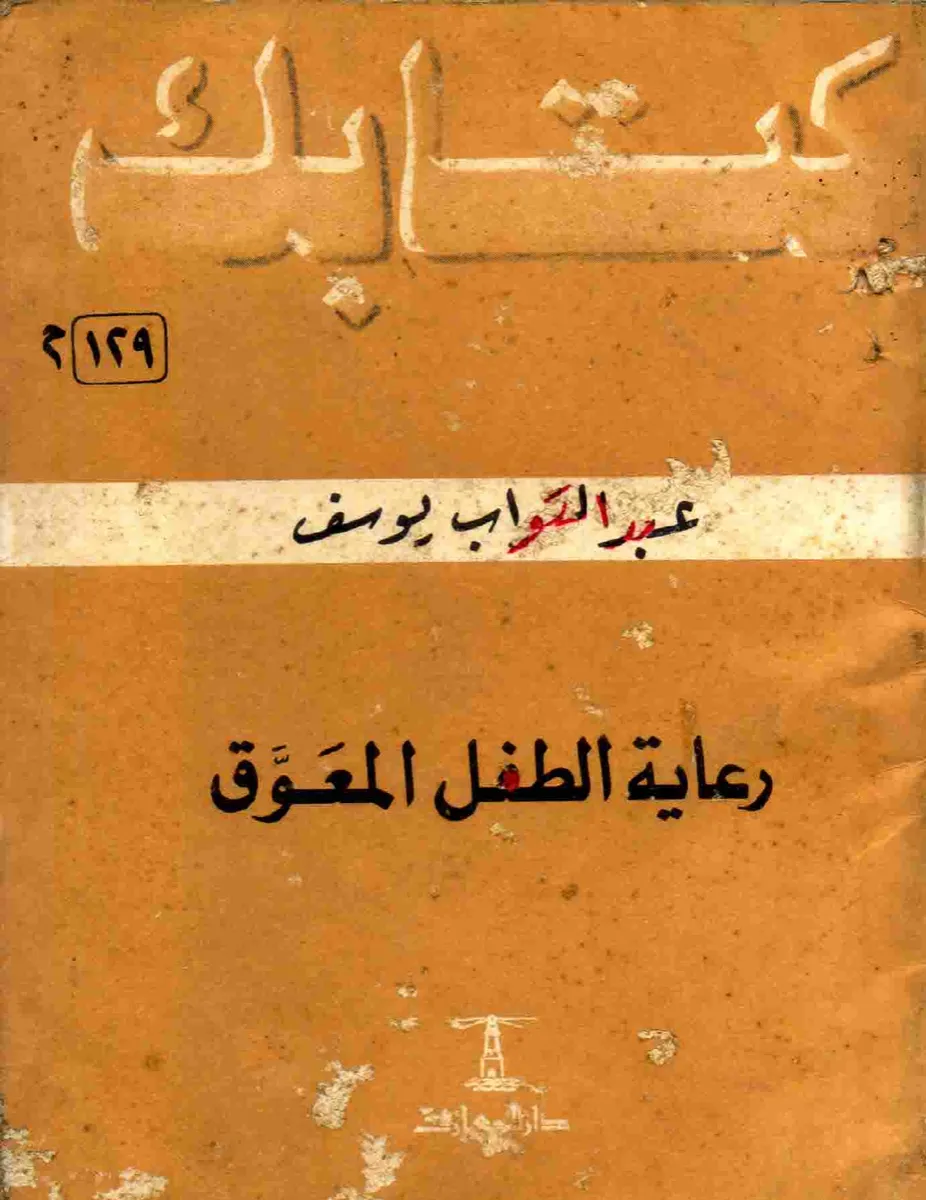
- Caring for the Disabled Child1980 · Your Book Series (Kitabak)
- The Night of Power1980 · The Pillars of Islam
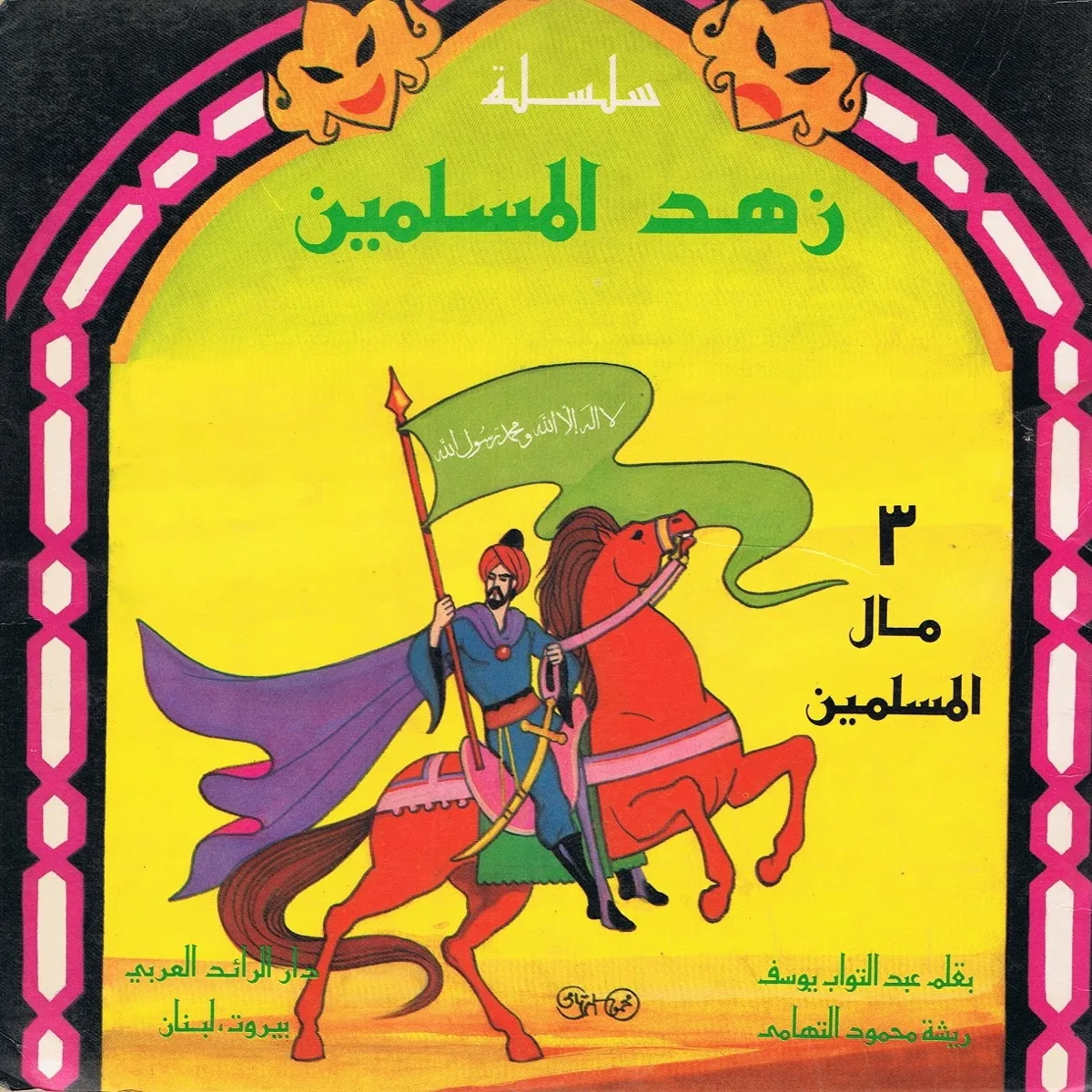
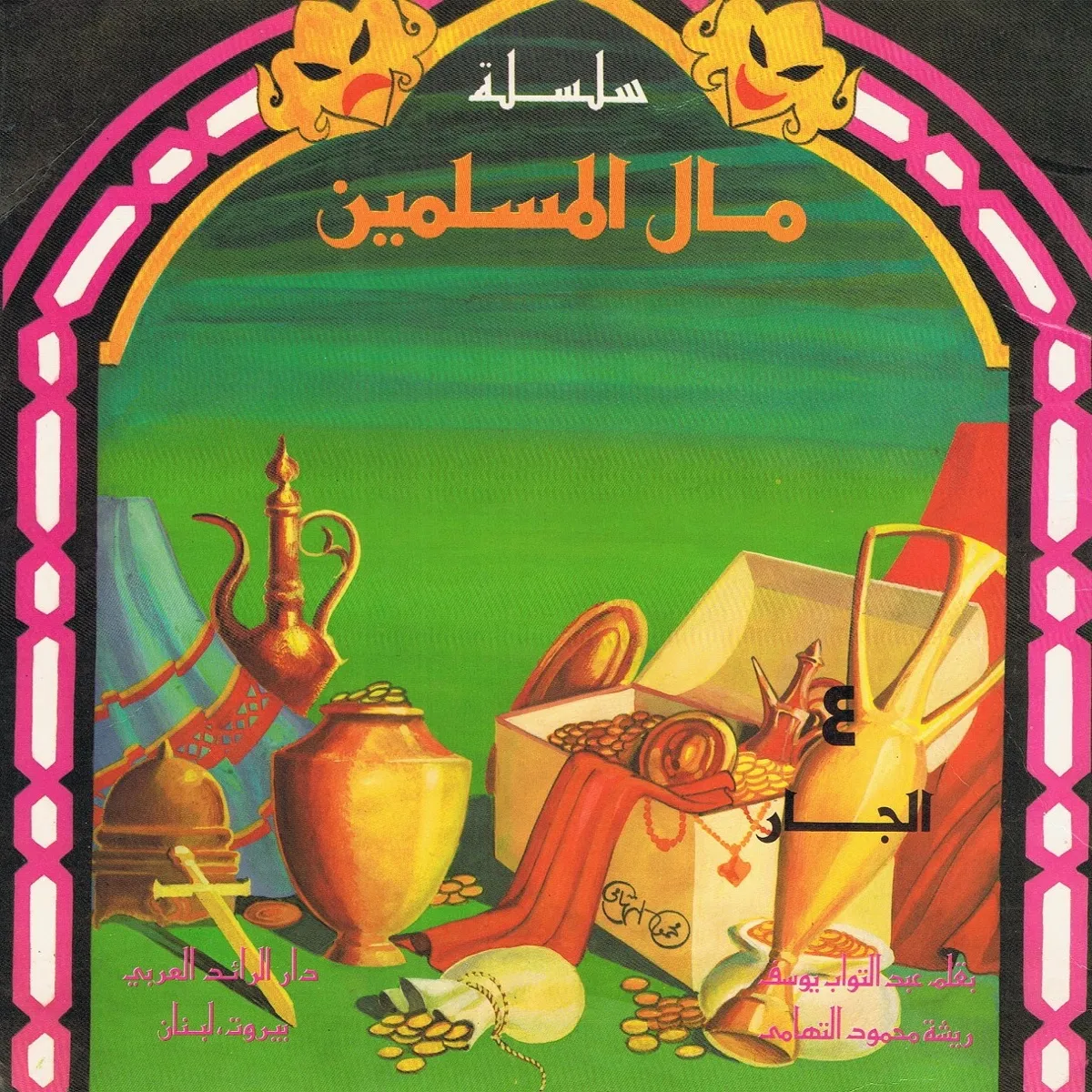
- The Wealth of Muslims1980 · The Pillars of Islam
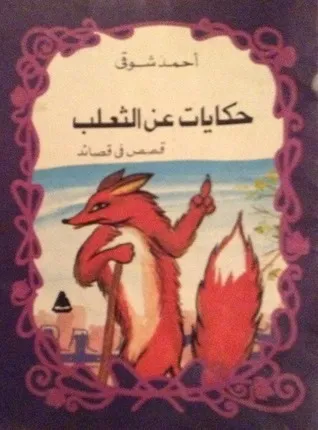
- Tales about the Fox1982 · Stories in Poems Series
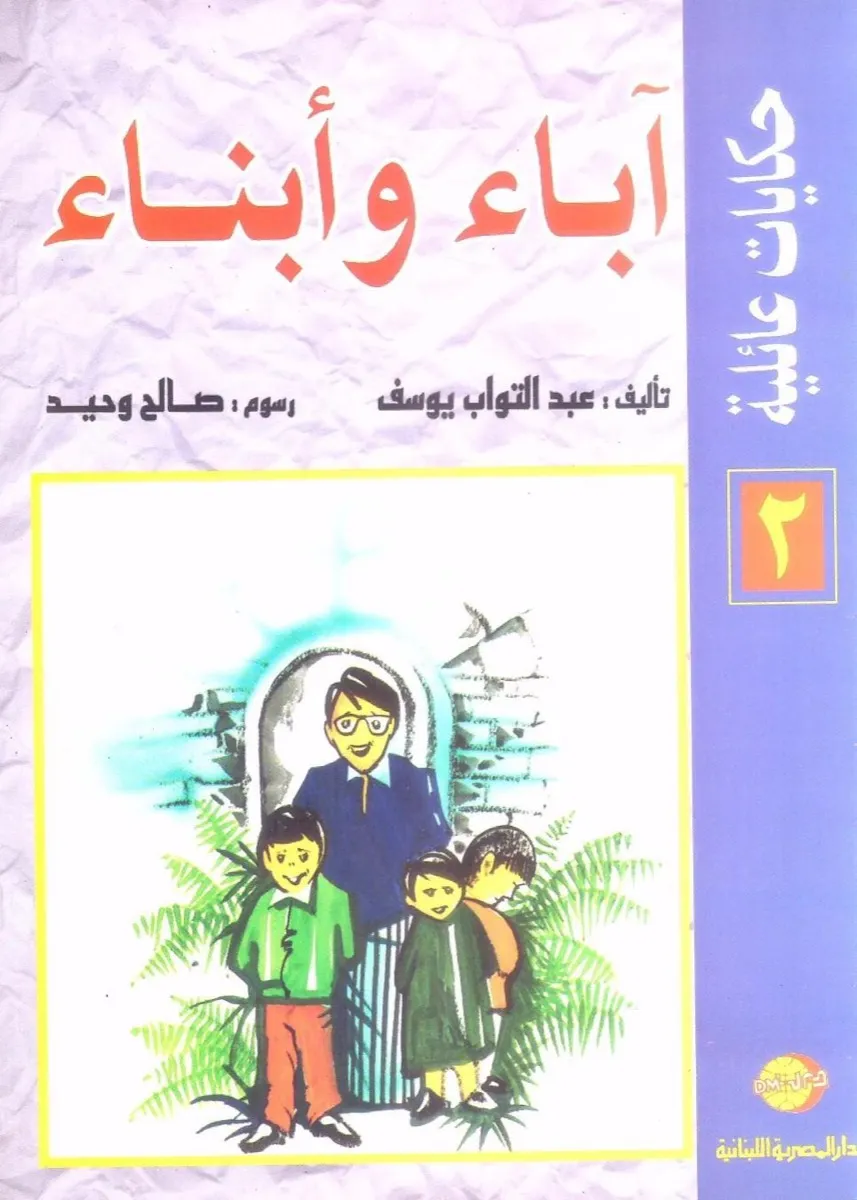
- Fathers and Sons1983 · The Family Stories Series
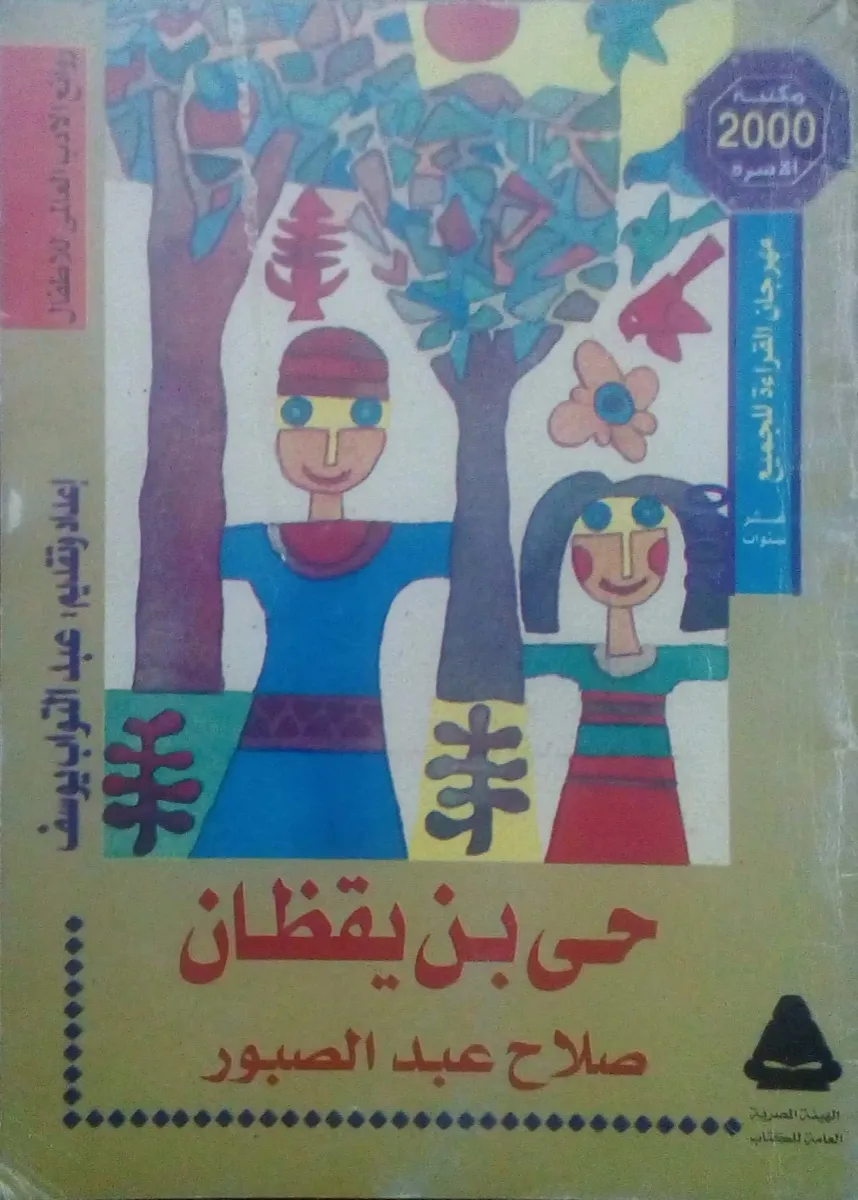
- Hayy Ibn Yaqzan1983 · The Family Library: Literary Classics
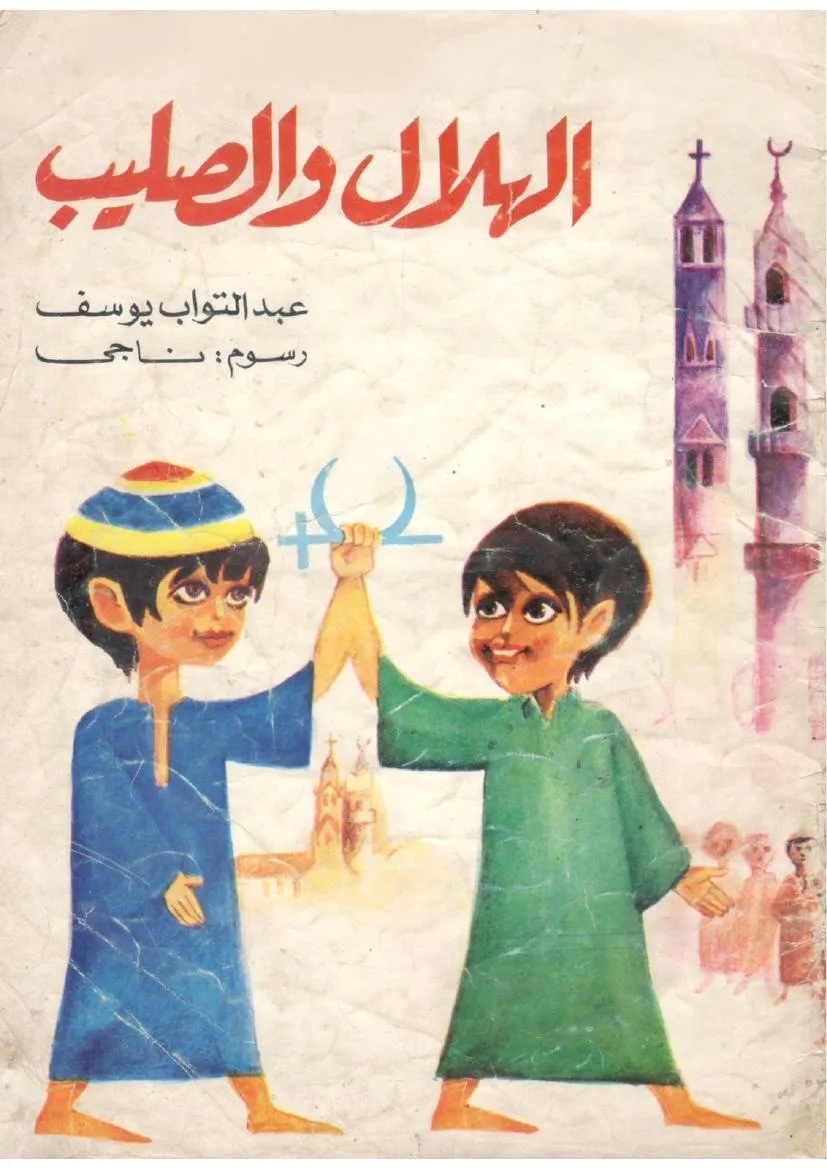
- The Crescent and the Cross1984 · Once Upon a Time
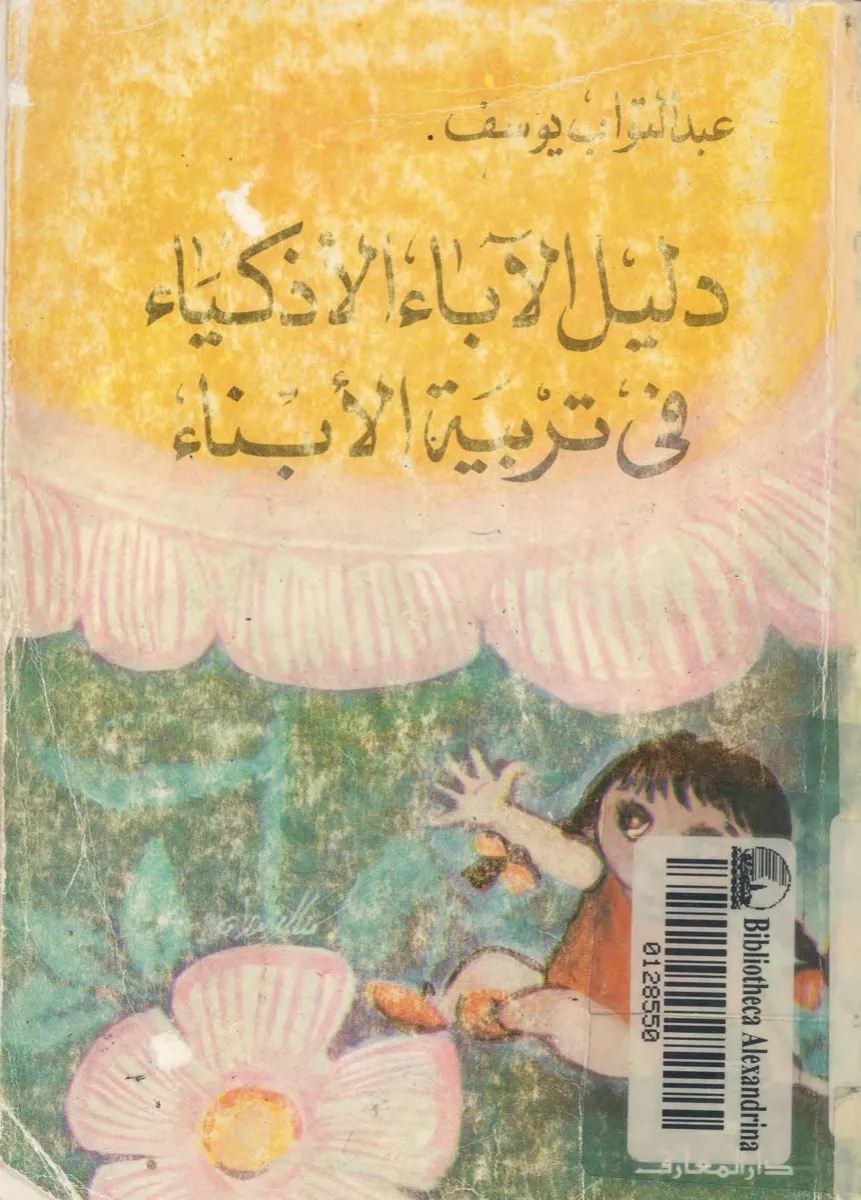
- A Guide for Intelligent Parents to Bring up their Children1984 · The Read Series (Iqraa)
- The Prophet's Childhood: A Story for Children1984
- The Neighbour1985 · The Faith of Muslims Series
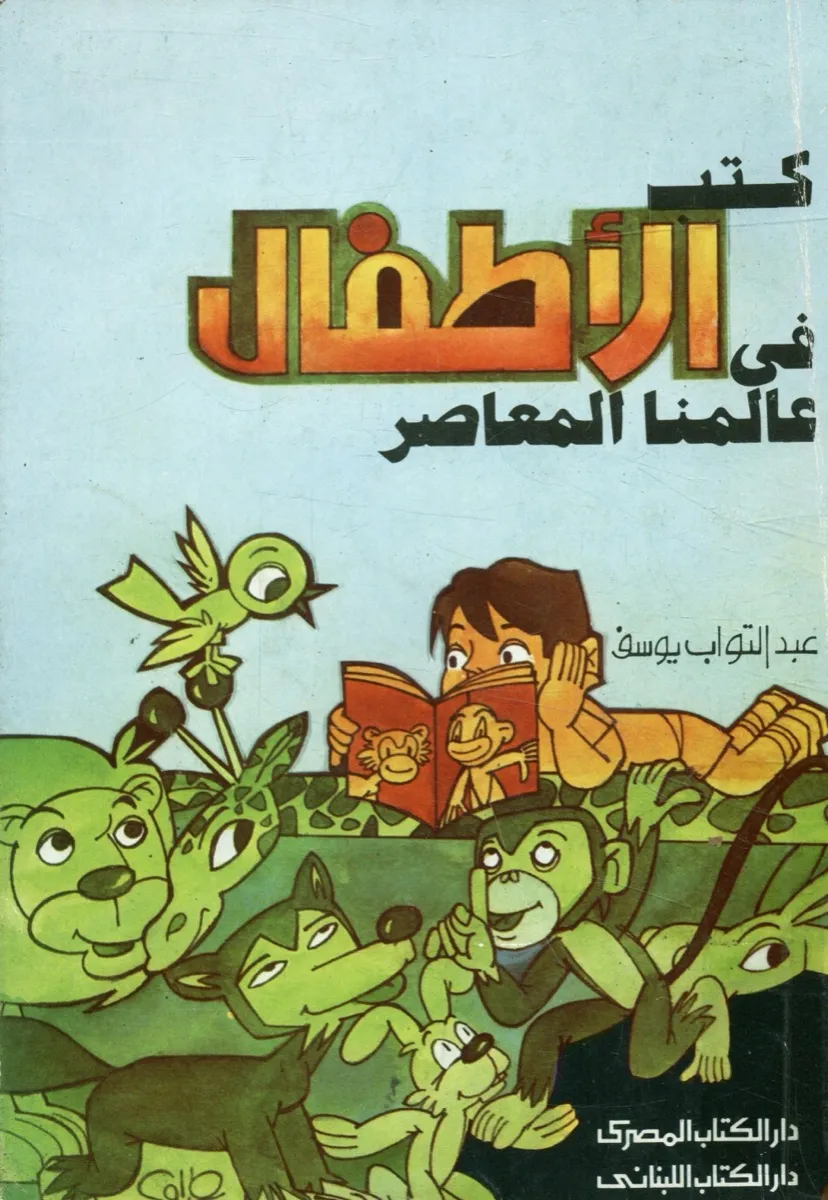
- Children's Books in Our Contemporary World1985
- The Wealth of Muslims1985 · The Asceticism of Muslims Series
- The Thousand and One Nights and Childhood Tales: Studies1986
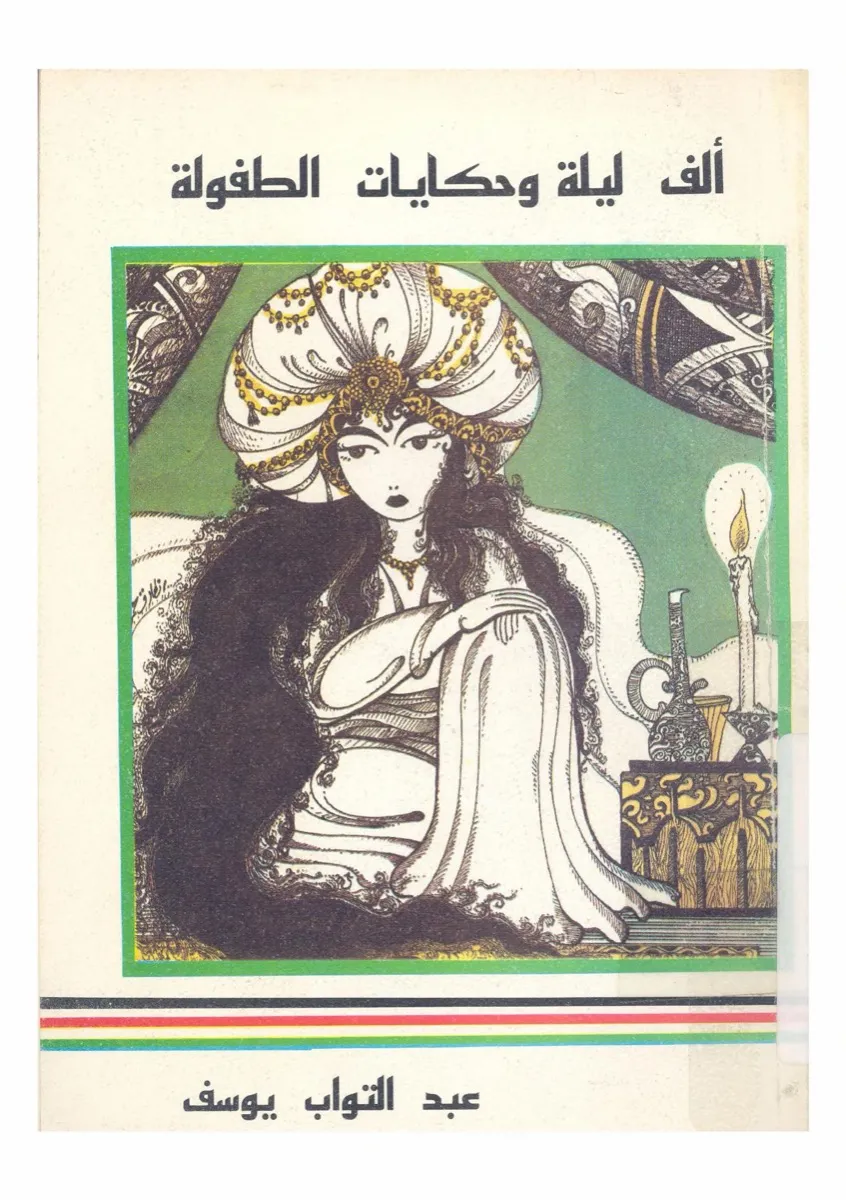
- The Thousand and One Nights and Childhood Tales1987
- Umm Hanan: A Novel for Young Readers about the October War1987 · The Our Children Series
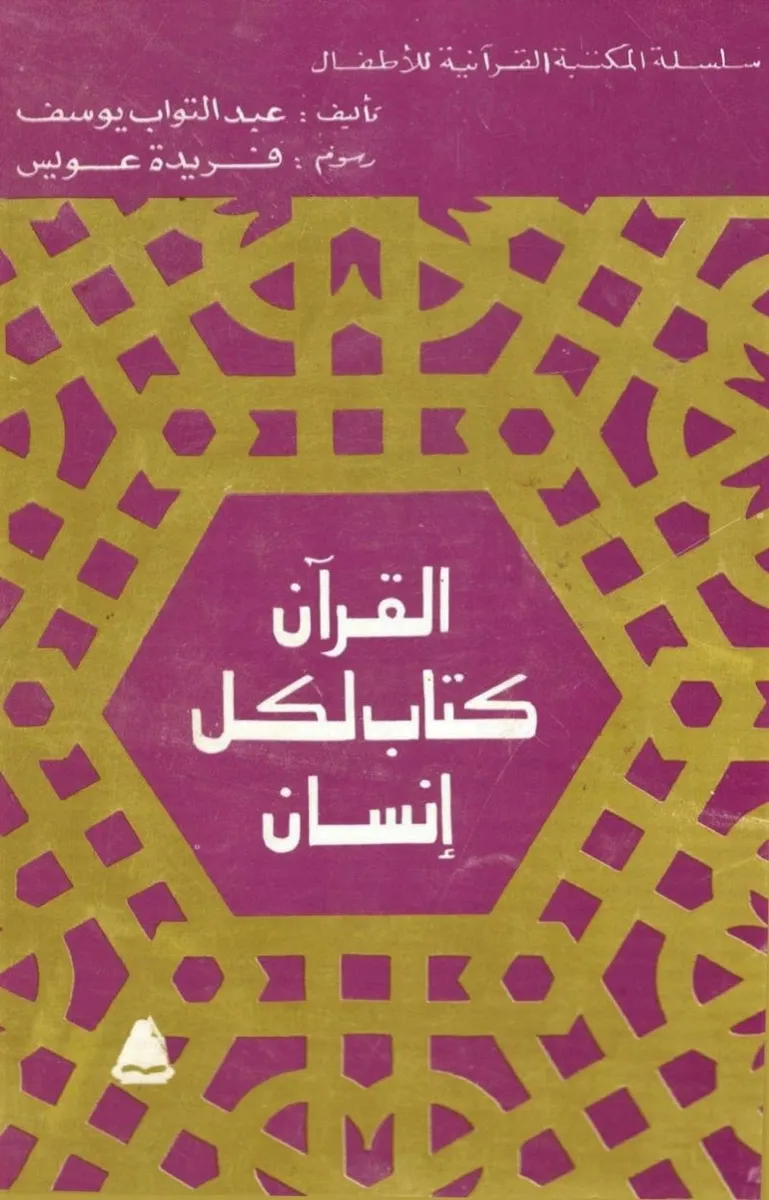
- The Quran: A Book for Every Human Being1987 · The Quranic Library for Children
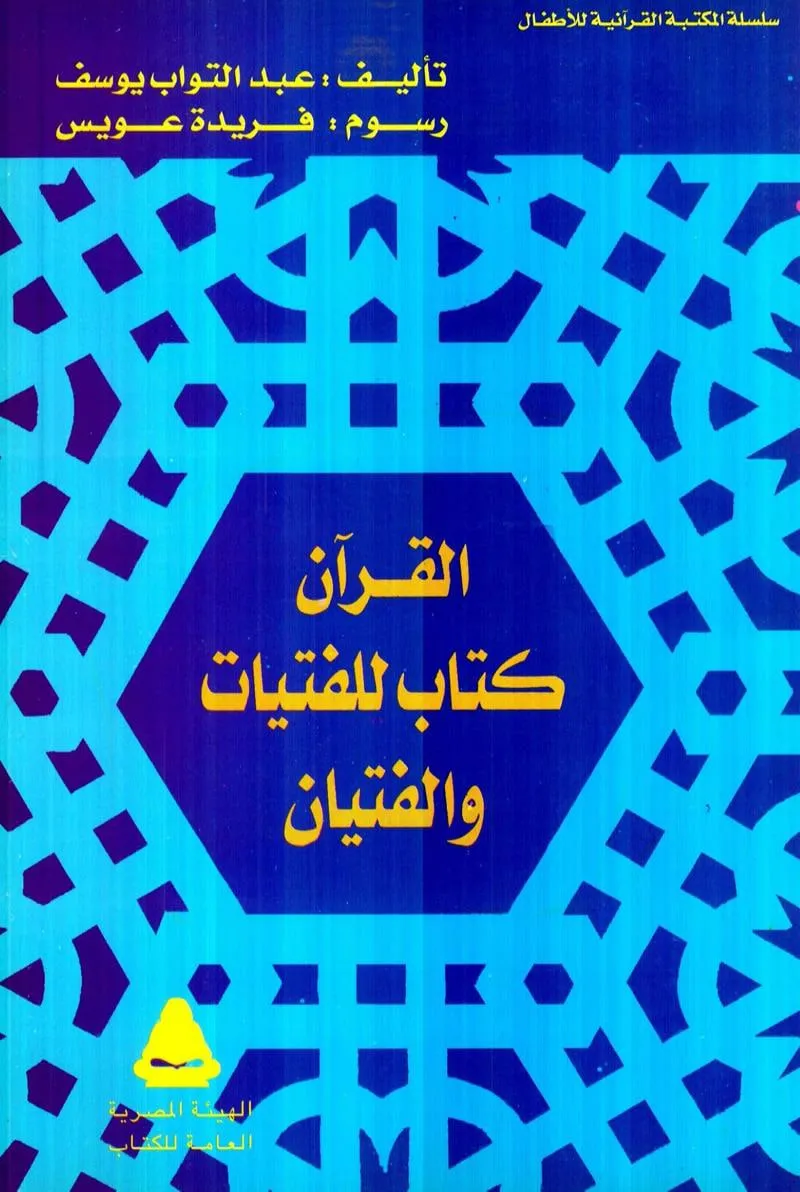
- The Quran: A Book for Girls and Boys1987 · The Quranic Library for Children
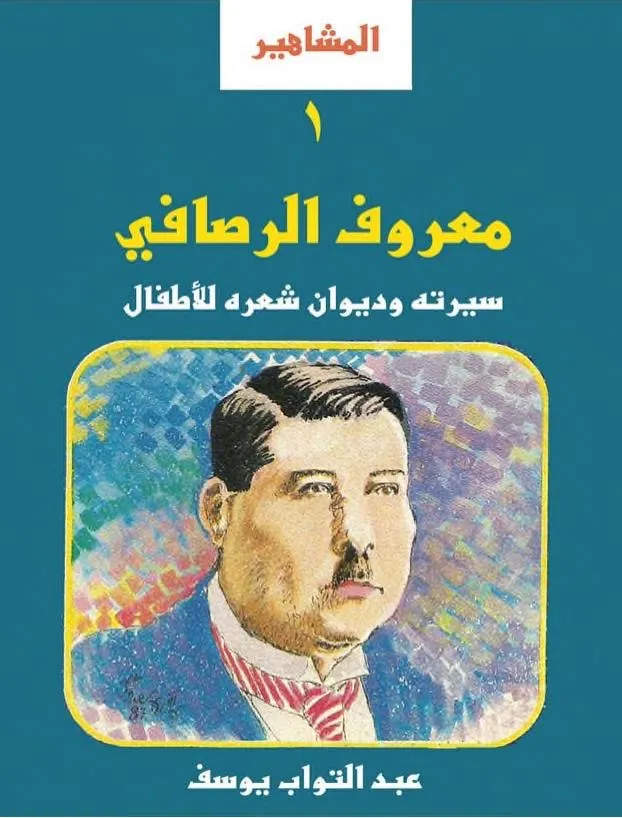
- Maaruf Al-Rusafi: His Poetry for Children1987 · Famous People
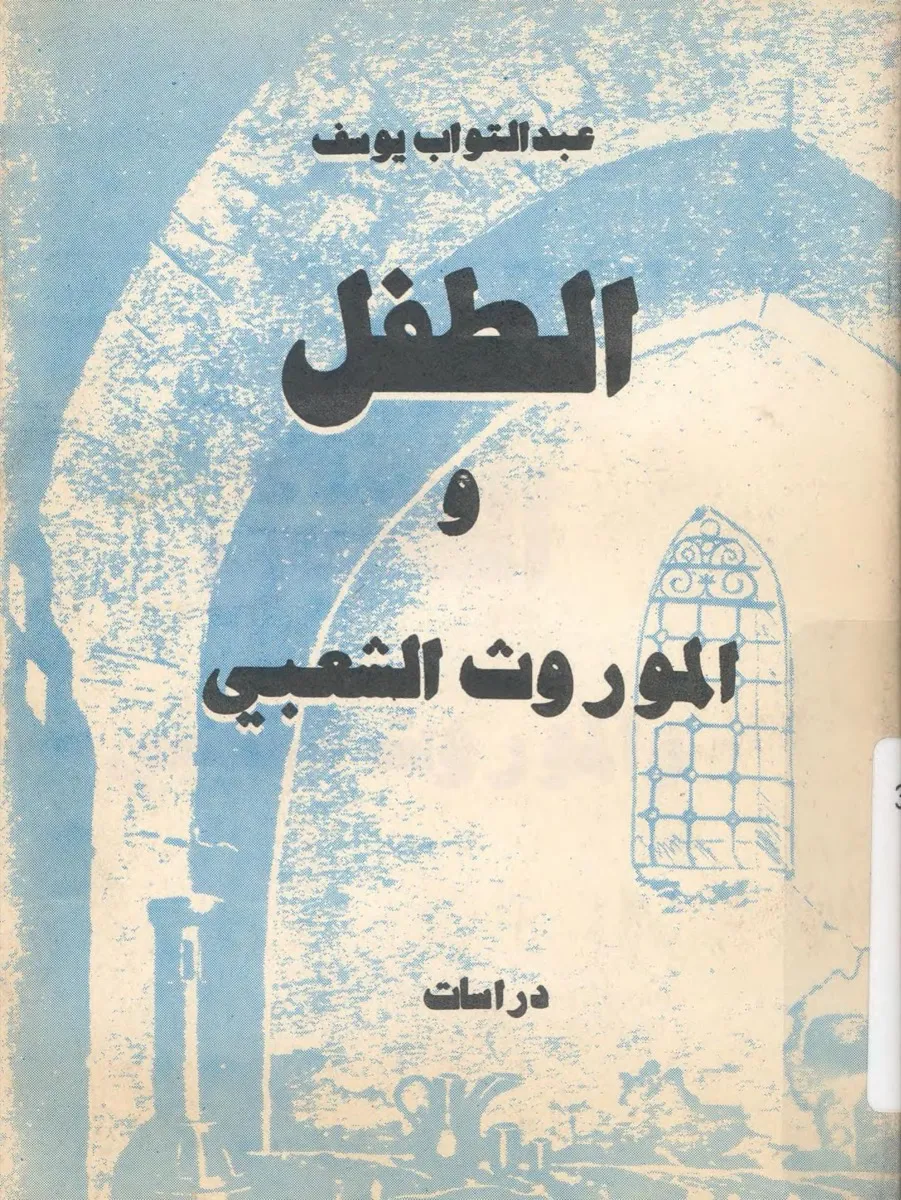
- The Child and Folk Heritage: Studies1989
- My Heart, My Mind and My Pen: An Autobiography1990
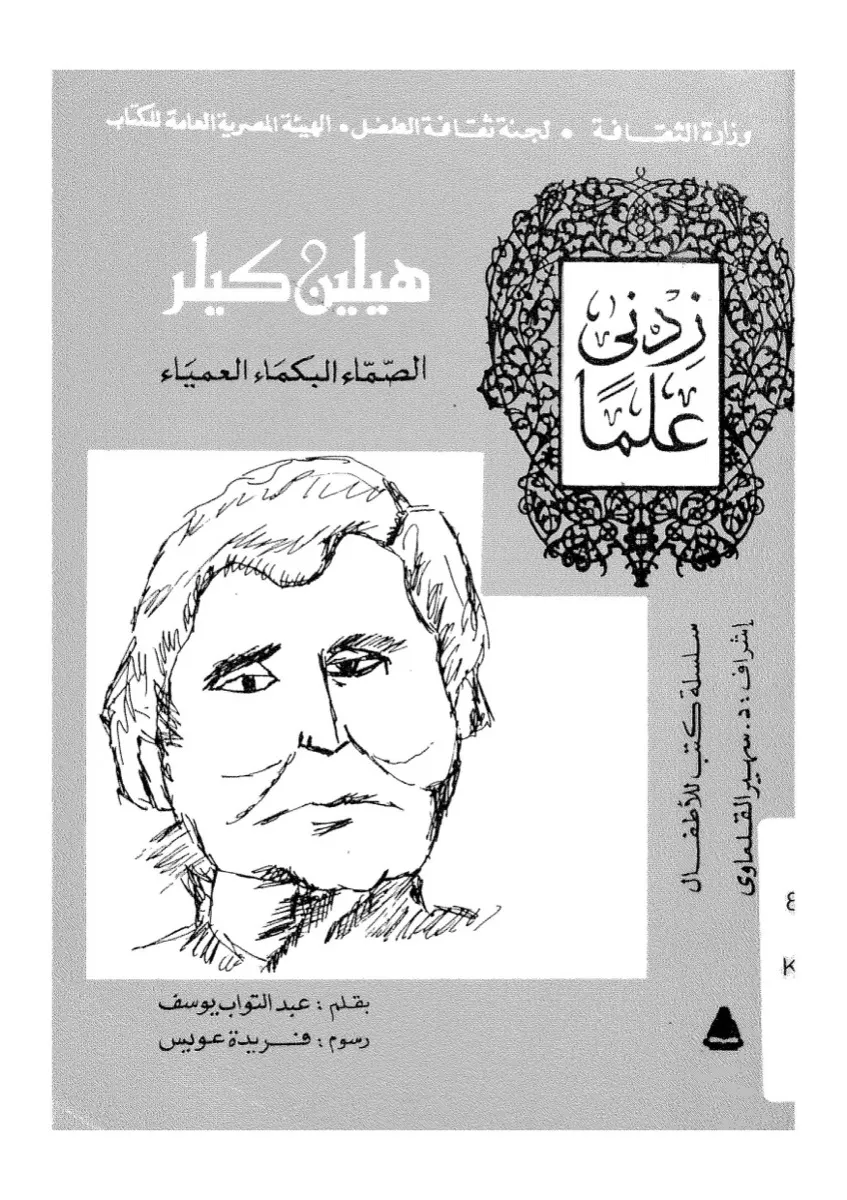
- Helen Keller1990 · Children's Books: Increase Me in Knowledge
- The Quran: A Book for All Time1991 · The Quranic Library for Children
- Candles: A Book on Children's Culture1991 · The Read Series (Iqraa)
- The Arab Child and Popular Literature1992
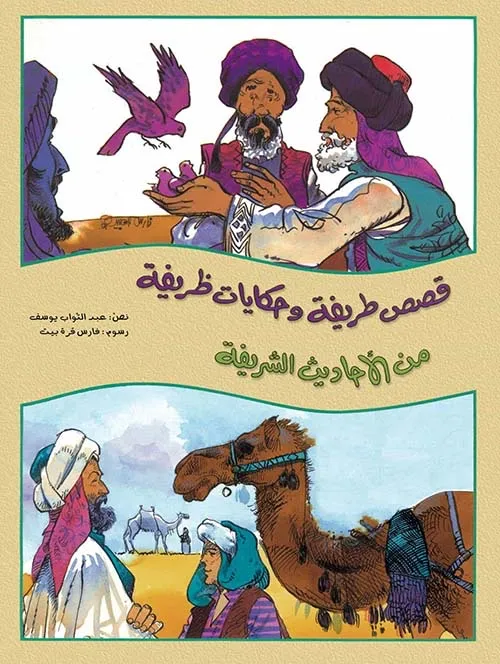
- Amusing Stories and Charming Tales from the Noble Hadith1992
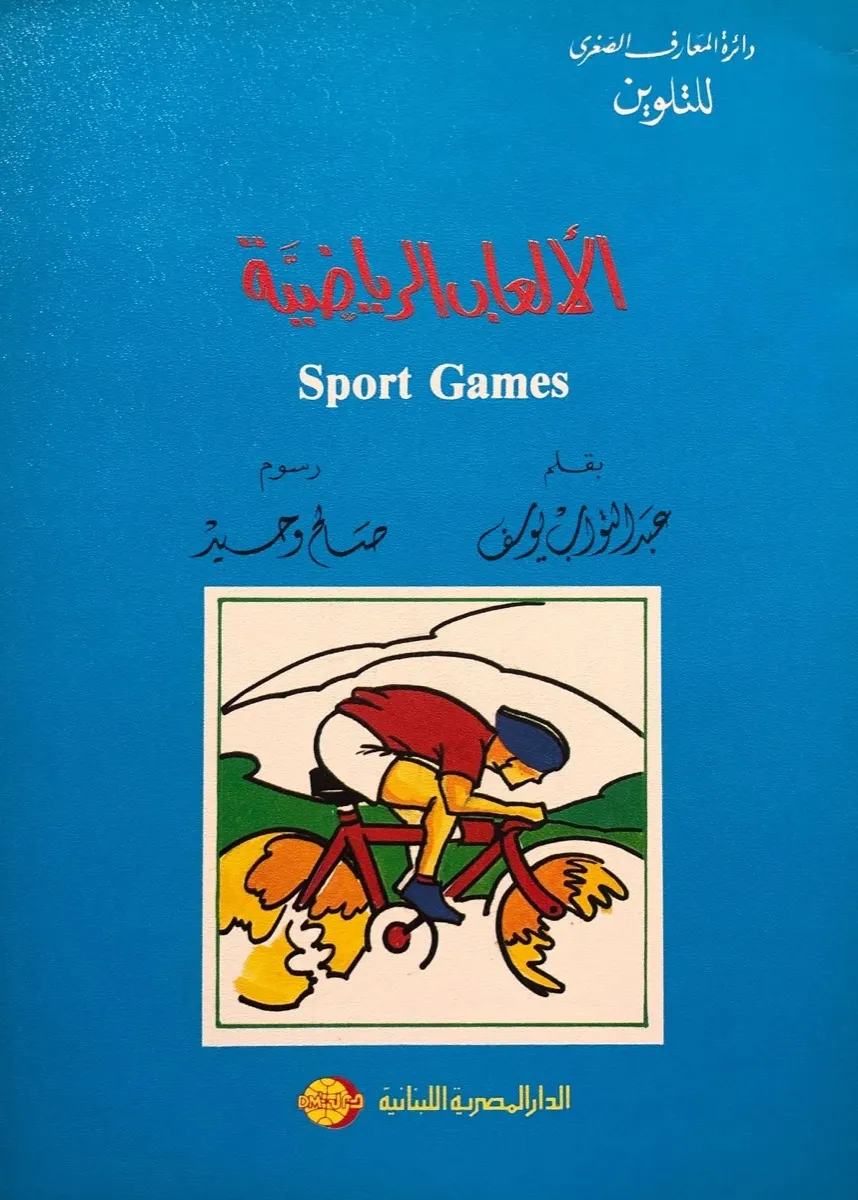
- Sports and Games1993 · A Concise Encyclopedia for Educators
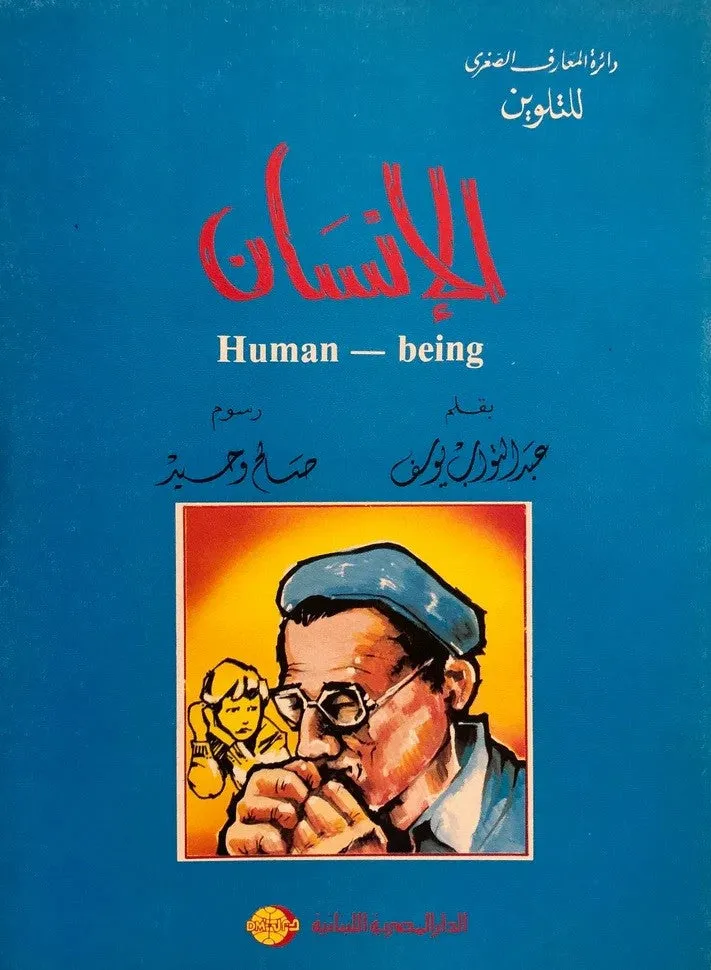
- The Human Being1993 · A Concise Encyclopedia for Educators
- Al-Hassan Ibn Al-Haytham Meets Isaac Newton1993 · The Series of Unusual Encounters Between Arab and Western Scientists
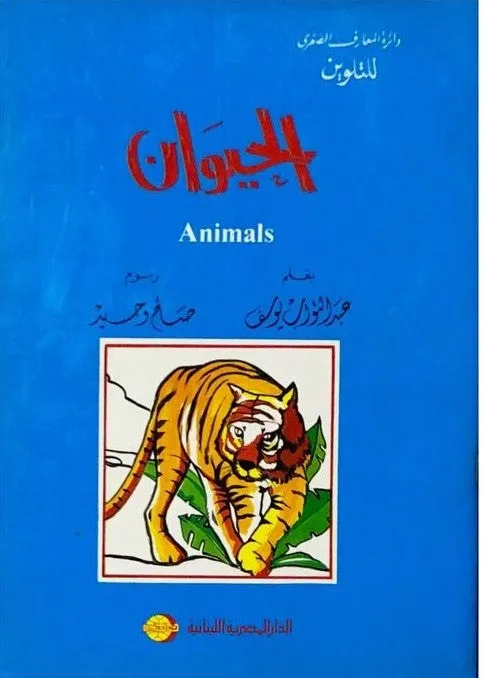
- Animals1993 · A Concise Encyclopedia for Educators
- The Audacious Skipper1993 · The Our Children Series
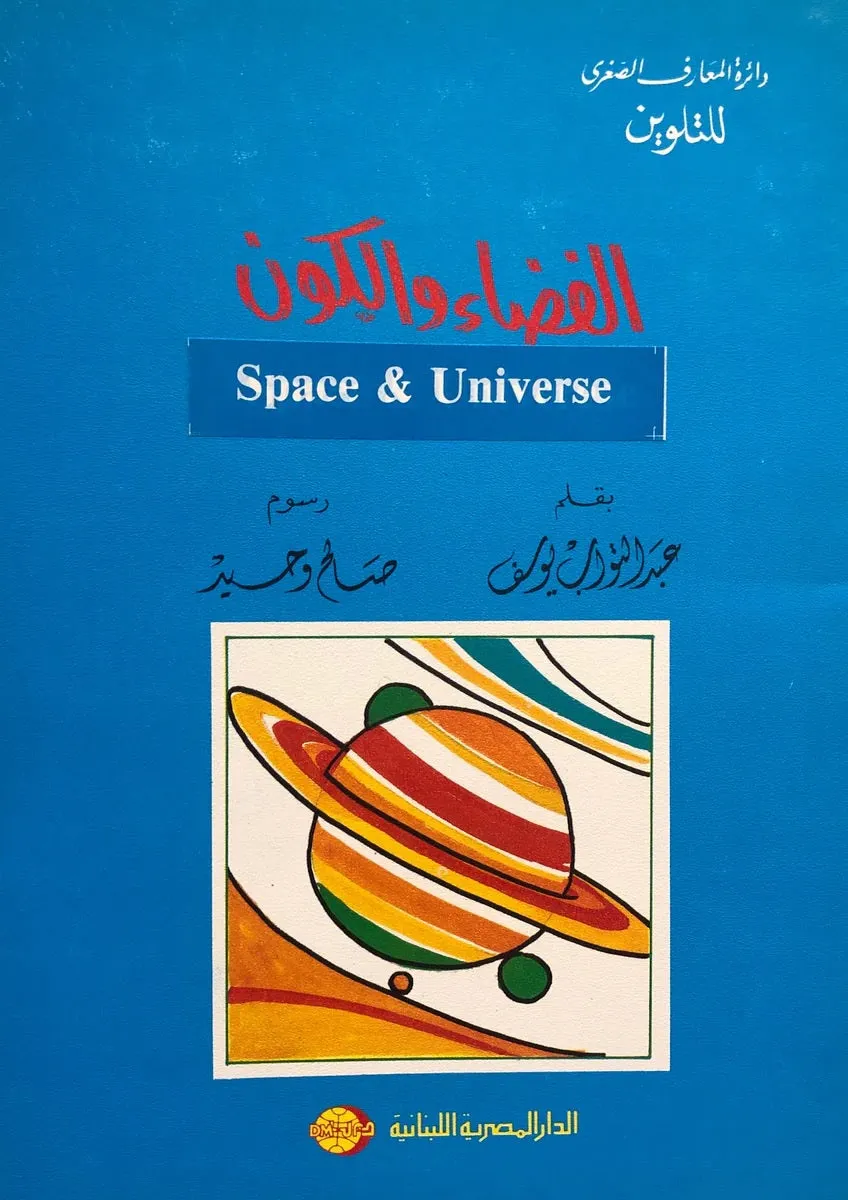
- Space and the Universe1993 · A Concise Encyclopedia for Educators
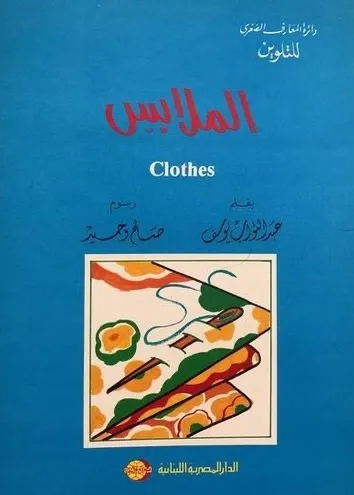
- Clothes1993 · A Concise Encyclopedia for Educators
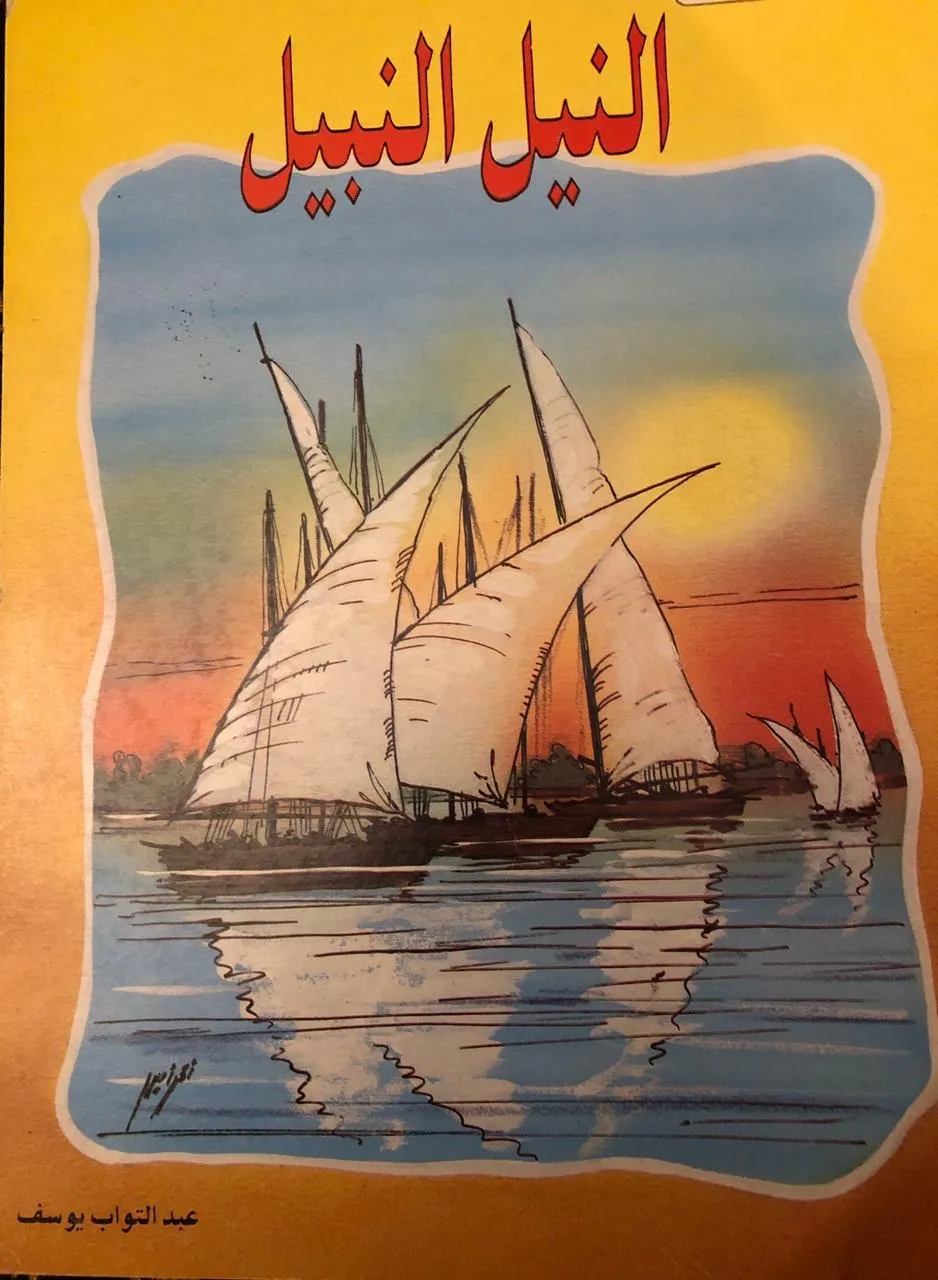
- The Noble Nile1993 · Friends of Water
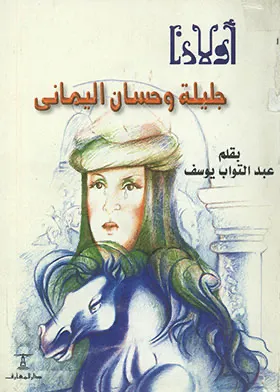
- Jalila and Hassan Al-Yamani1993 · The Our Children Series
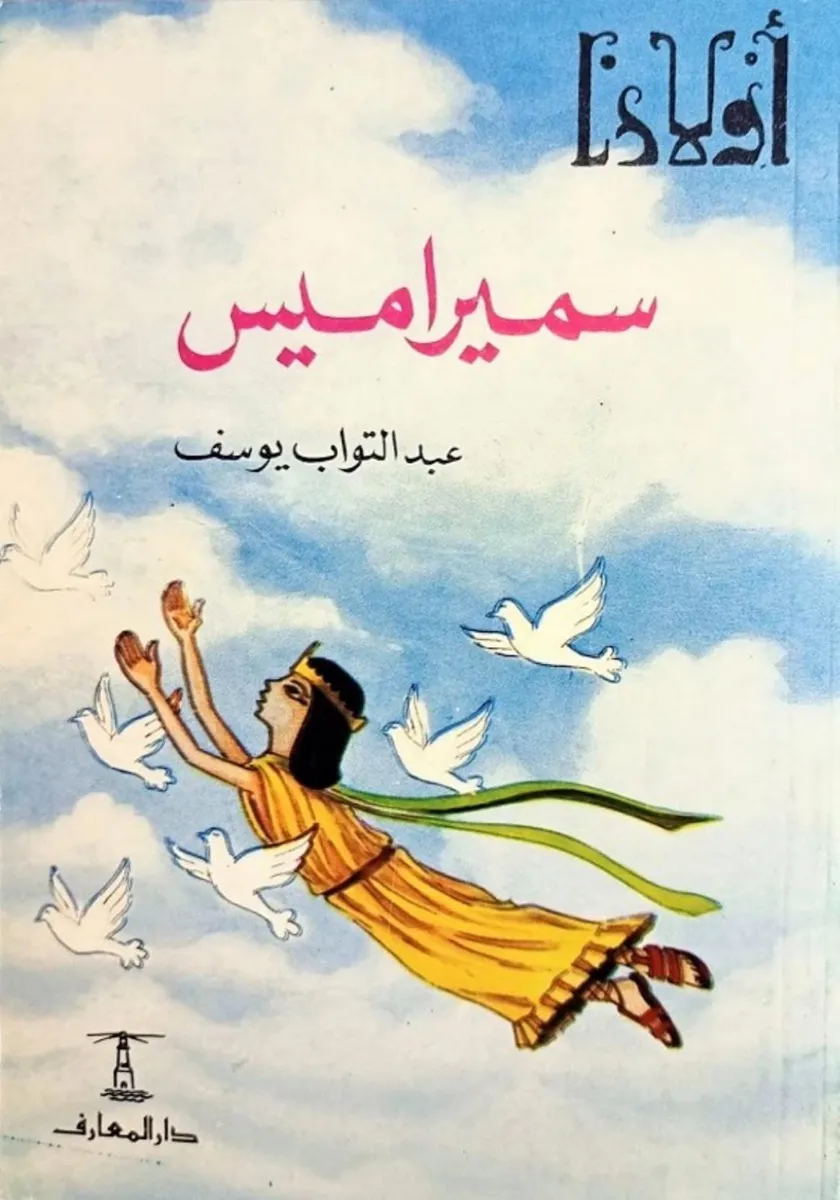
- Semiramis1993 · The Our Children Series
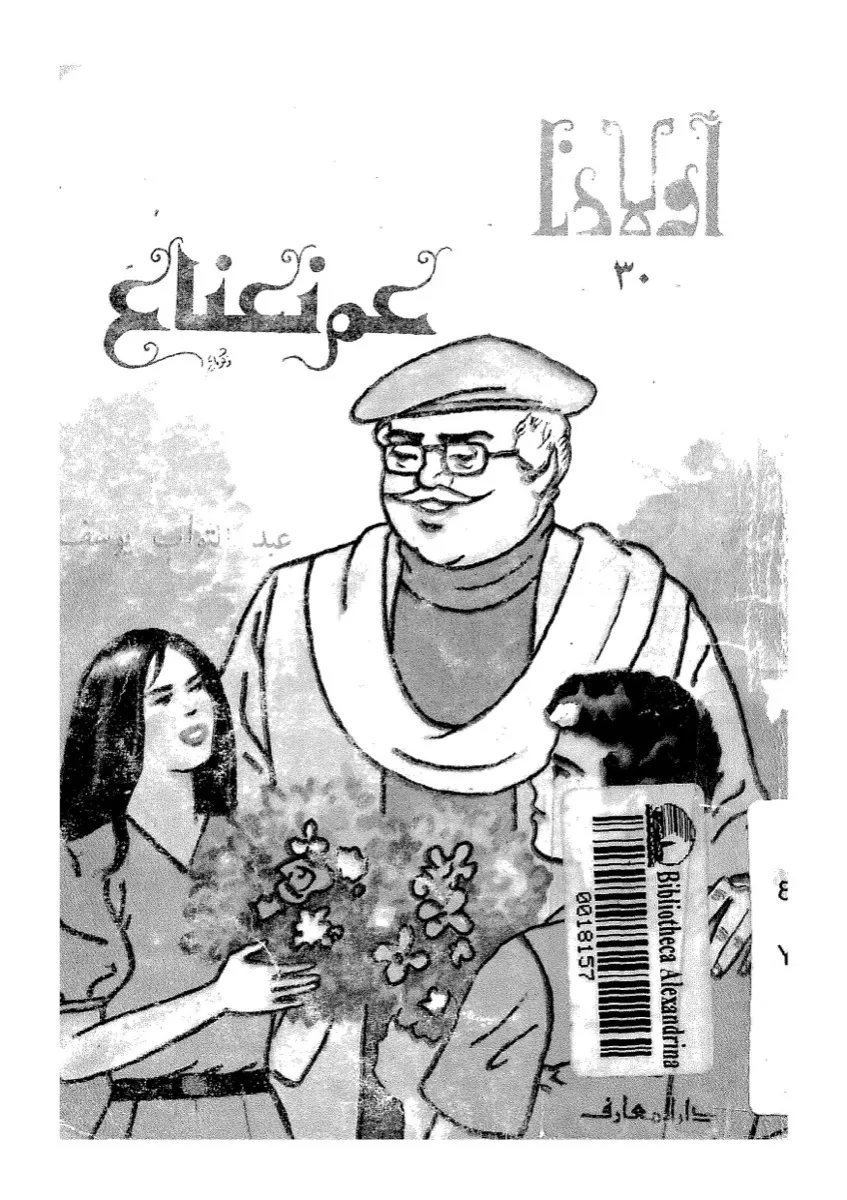
- Uncle Na'na'1993 · The Our Children Series
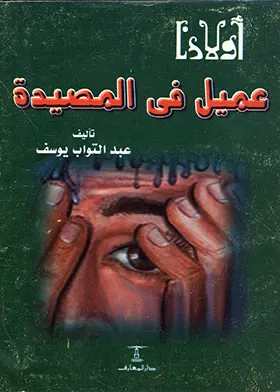
- An Agent in the Trap1993 · The Our Children Series
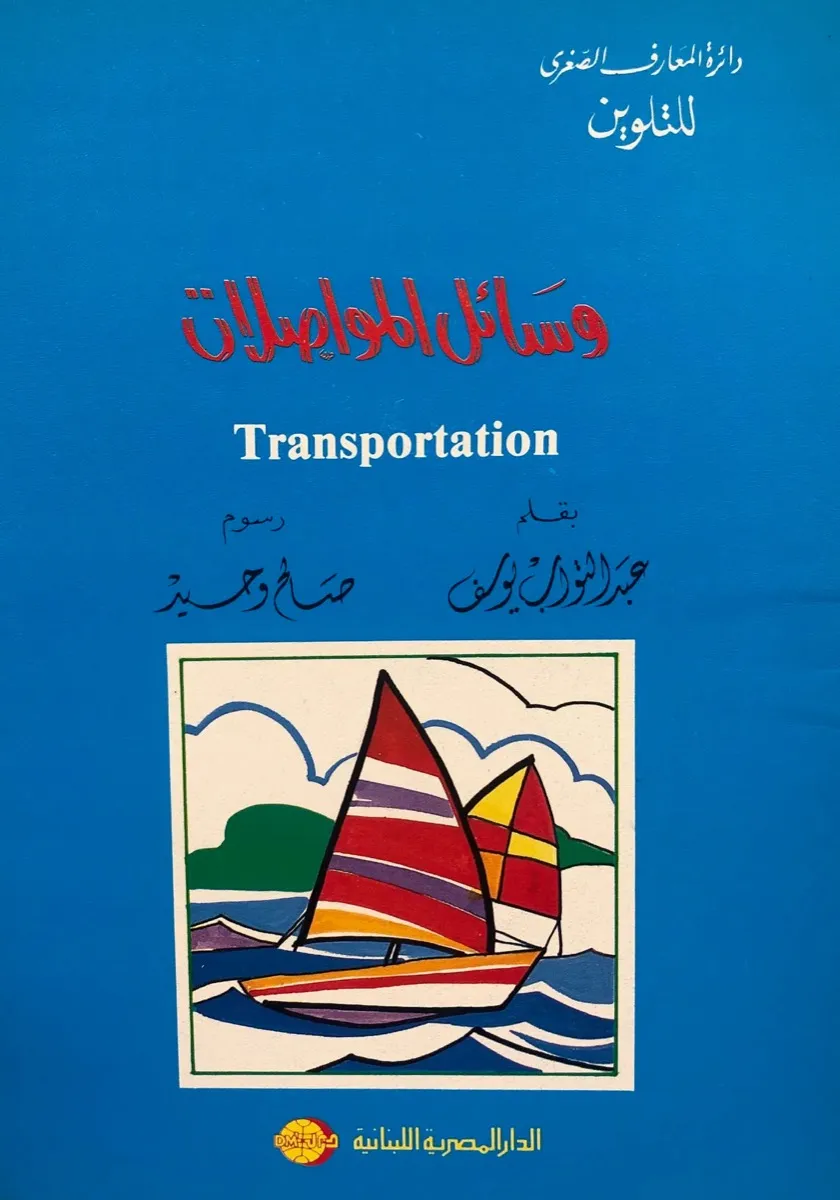
- Transportation1993 · A Concise Encyclopedia for Educators
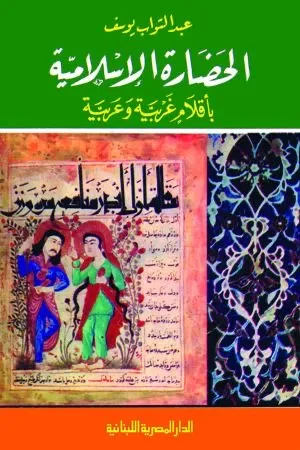
- Islamic Civilization through Western and Arab Pens1994
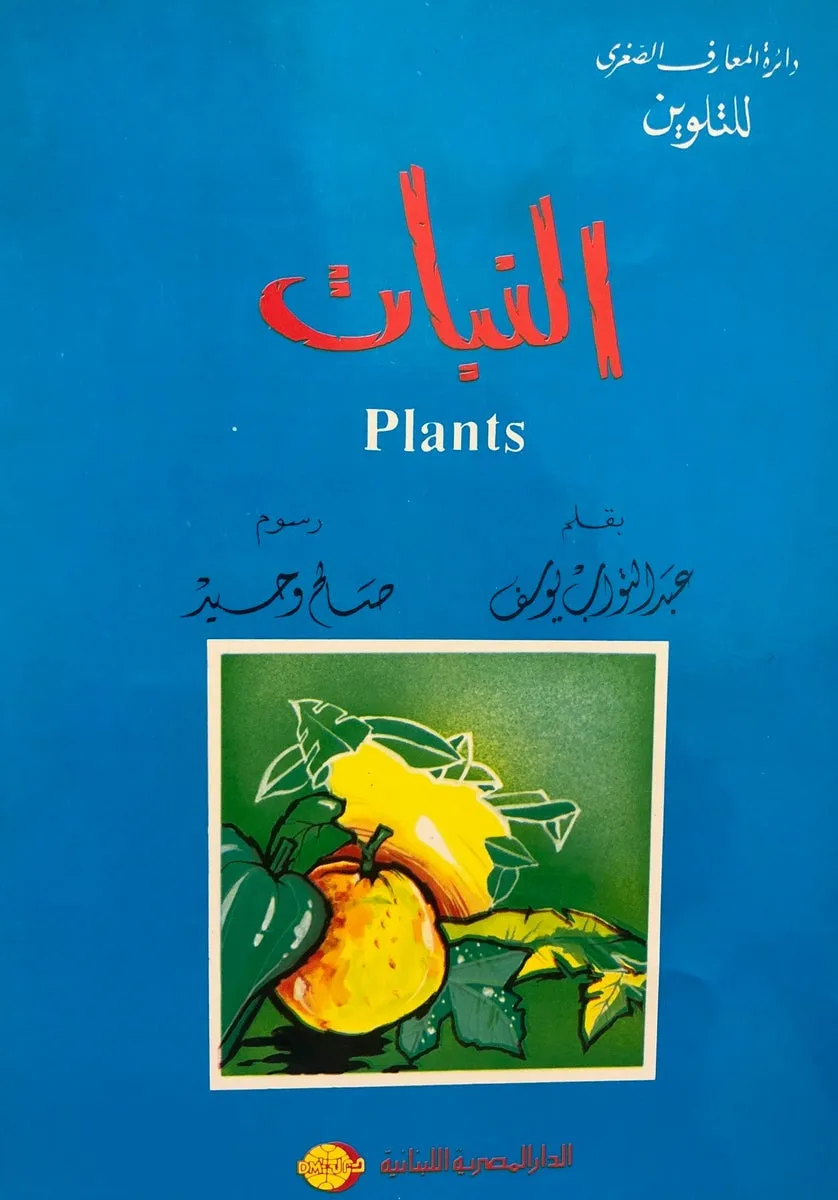
- Plants1994 · A Concise Encyclopedia for Educators
No books match. Try another word or clear the filters.